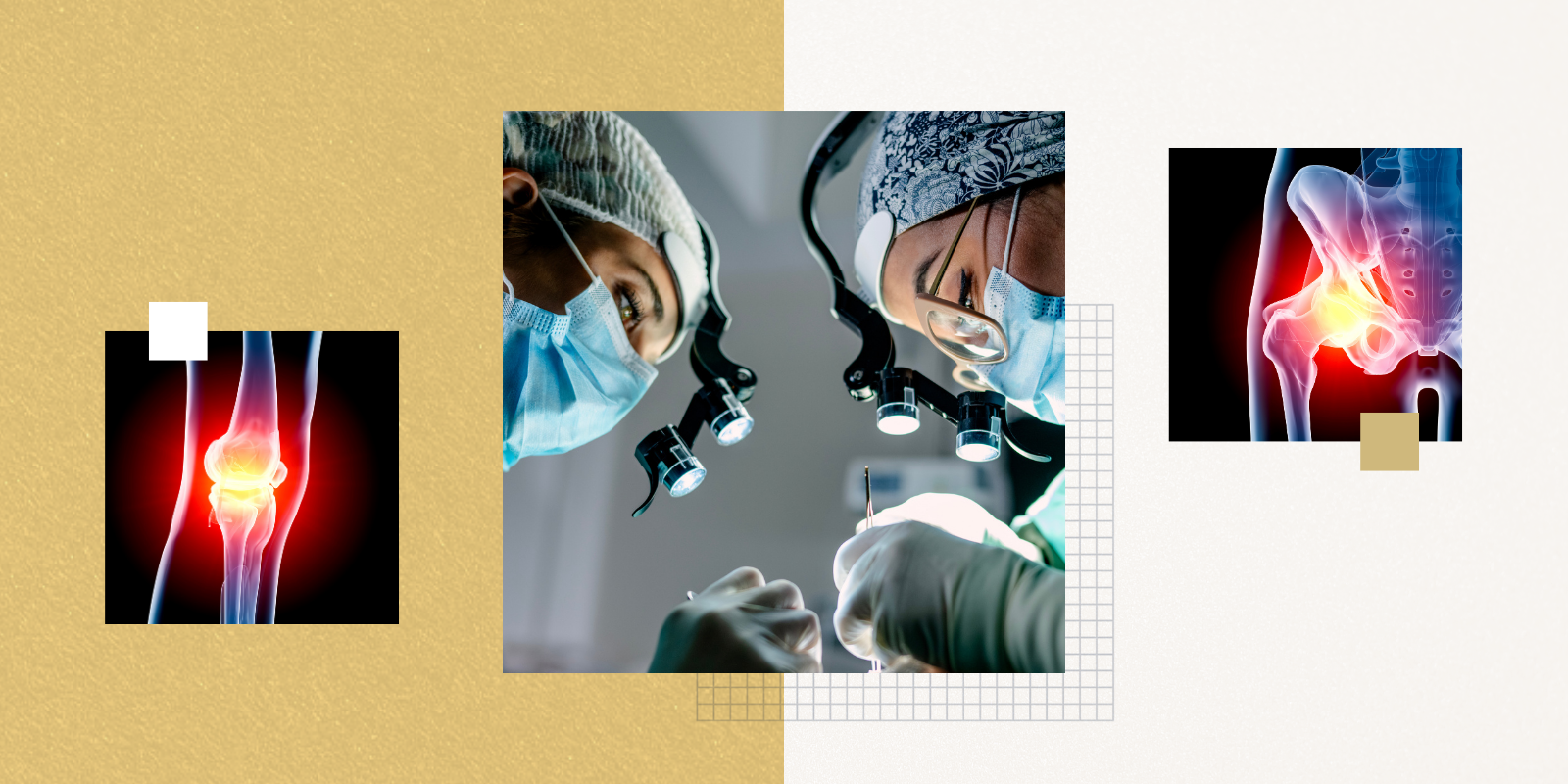
Let’s start with the technology of joint replacement. How has that changed in the 21st century?
In the early 2000s, there were marked changes to the technology we employ, mainly with the plastics involved in the bearing surface of a joint replacement. Prior to that, the plastics had a limited lifespan. Now, we don’t know for sure what the lifespan will be of these new materials, but the data we have so far looks amazing. Potentially, these materials could hold up for 30, 40, or 50 years, or maybe even beyond that.
On the knee side, there’s been another advance in that the implants feel more natural. On the hip side, those implants have felt more mechanically natural to patients for a long time.
Also, about 10 years ago, robotics entered the joint replacement arena. Some patients think an actual robot is doing the surgery, and it’s not. It’s robotic assistance, and it’s been shown to improve our precision.
What about the patient experience with joint replacement? How has that evolved?
We’ve seen a massive shift from joint replacement as primarily an inpatient surgery. Fifteen years ago, when I started my practice, patients were kept in the hospital for a minimum of two to three days. Today, the majority of patients don’t need to be in the hospital. Depending on the hospital and the patient population, many patients are getting joint replacements, going home the same day, and their recovery is better. Also, going home the same day does not mean you’re at higher risk of complications. Overall, complication rates remain very low.
A lot of that was made possible through research and clinical changes that we as hip and knee surgeons have made, including better pain control as well as markedly improved support programs before, during, and after surgery.
Traditionally, most patients getting knee and hip replacement surgery were in their 60s and 70s. Are you now seeing more adults under age 60 opting for joint replacement?
That’s exactly what we’re seeing. There used to be age cutoffs, where you couldn’t see a patient for surgery until they were 60. However, with the better technology and materials we talked about, surgeons are much more comfortable saying yes to younger patients that have debilitating joint disease, or maybe they had a trauma that led to joint destruction. And awareness is growing among younger people that they don’t have to live with pain, whereas maybe their grandparents had to.
What non-surgical treatments for joint pain are available today, and what sort of research is underway to find new treatments?
Arthritis, which is behind the majority of what we’re treating as hip and knee surgeons, is still poorly understood from a basic science standpoint, but we’re learning more. We have traditional anti-inflammatory medications and injections. And now there’s a lot of ongoing research into biologic treatments to help with pain.
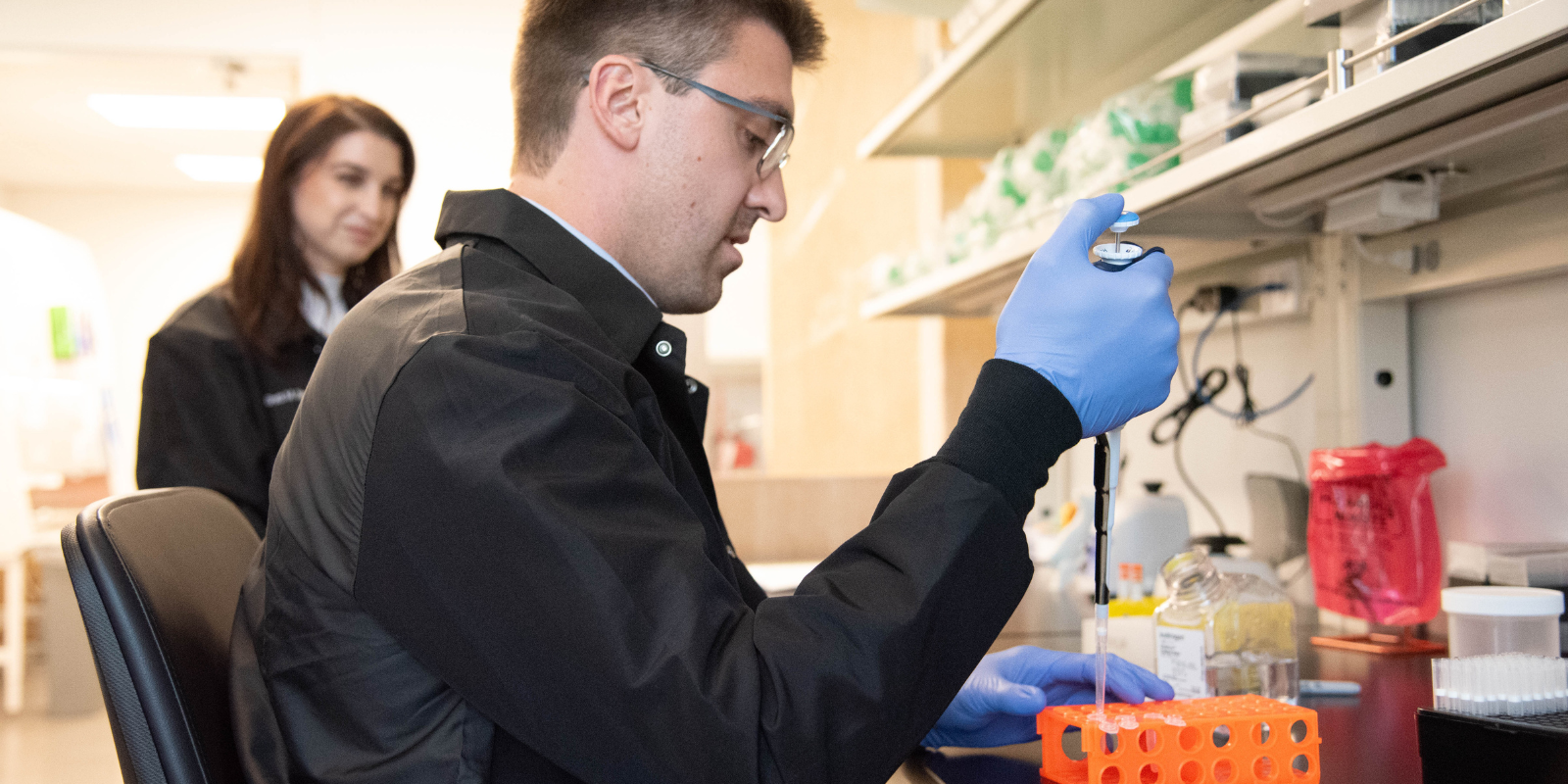
Here at CU Anschutz, we have a very large grant from the Advanced Research Projects Agency for Health (ARPA-H) for a project called NITRO, looking at novel treatments for osteoarthritis, using stem cell-type technology, with the hope of curing as opposed to just treating the symptoms. We’re hoping to start clinical trials soon. If we could cure arthritis, hundreds of millions of people in the world would be helped by that.
How do you see joint replacement surgery evolving in the years ahead?
A lot of research goes into how we can make a knee replacement feel more normal, or last longer. I think most of us would agree that on the hip side of things, things are almost perfect now. On the knee side of things, it’s close, but 10% to 20% of patients have some dissatisfaction. It doesn’t feel like a normal knee.
Knee joints are very complex, so there’s a lot of thought and research going into finding the best way of doing surgery. Is it technology? Is it alignment strategies? Is it the implants we’re using? There may not be a clinical answer yet, but that hasn’t stopped us from searching.
What makes the CU Anschutz School of Medicine stand out as a center for joint replacement?
Our surgeons deliver top-level care and put patients first, and all of us have an interest in research as well. All of us are actively looking at what we do each day, each month, each year, and striving for better. We’re not satisfied, and we’re constantly pushing to improve what we do, how patients feel, and what their outcomes are, both short-term and long-term. We take care of patients with complex problems, and if they have complications after they went elsewhere for joint replacement, we take care of that, too. I think that sets us apart in a big way.