Does the answer to better healing of bone fractures in people with obesity and type 2 diabetes lie in the gut?
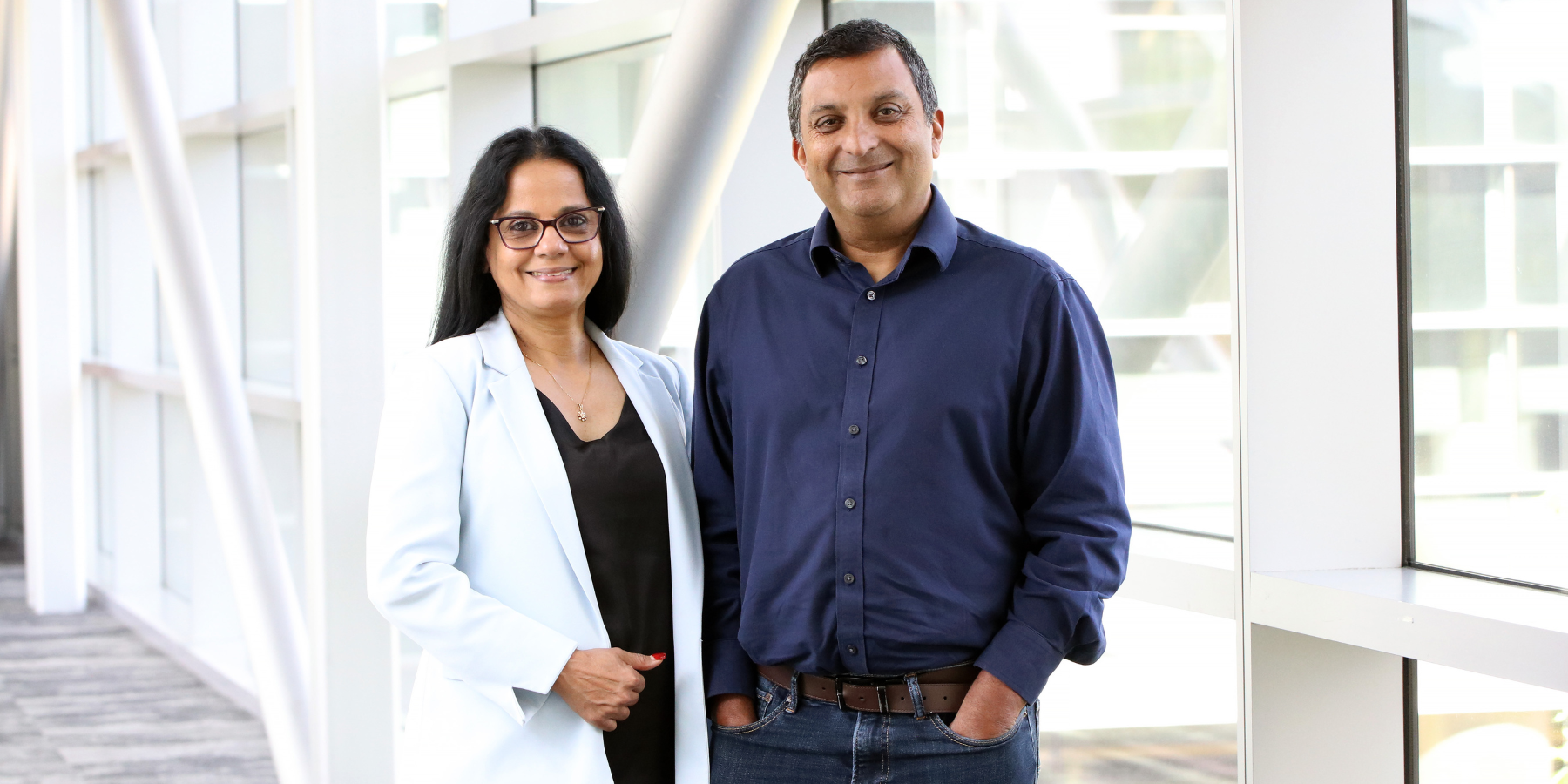
That’s what University of Colorado Anschutz School of Medicine faculty member Honey Hendesi, MD, PhD, is looking to find out in a new research study funded by a $2.3 million R01 grant from the National Institutes of Health.
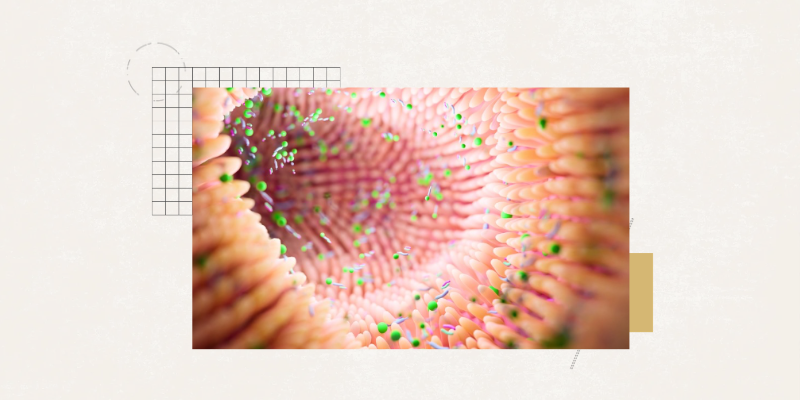
“We and others have previously shown that obesity and type 2 diabetes are associated with delayed and compromised fracture healing,” says Hendesi, instructor in the Department of Orthopedics. “Using murine model, we also reported that the same high-fat diet, eaten with a pattern of intermittent fasting, improves their fracture healing. We think that intermittent fasting changes the composition of the gut microbiome and the microbial metabolites that are released in our body.”
Looking into the gut microbiome
In the new research funded by the National Institute of Arthritis and Musculoskeletal and Skin Diseases, Hendesi and her co-investigators are looking to see what specific changes intermittent fasting — defined in the study as 24 hours of fasting alternating with 24 hours of free access to food — causes in the gut microbiome, and how those changes translate into better bone healing.
“Fracture healing is a very complex and tightly regulated process,” she says. “When bone breaks, a blood clot forms at the site of fracture. Immune cells and stem cells are recruited to the site, where they coordinate a series of processes that ends up with formation of new bone and fracture healing. This R01 grant aims to find out if intermittent fasting improves and accelerates fracture healing, and uncover through what mechanism is this happening.”
Working across campus
The multidisciplinary effort is a campuswide effort involving co-investigators Douglas Adams, PhD, associate professor of orthopedics, Janani Ravi, PhD, associate professor of biomedical informatics, and Victoria Catenacci, MD, professor in the Division of Endocrinology, Metabolism, and Diabetes, as well as Anschutz resources including the Genomics Shared Resource at the CU Anschutz Cancer Center, the Human Immune Monitoring Shared Resource, the Mass Spectrometry Facility in the Skaggs School of Pharmacy, and the Center for Innovative Design and Analysis in the Colorado School of Public Health.
“We are going to use a variety of techniques, including micro-CT scans, single-cell RNA sequencing, spatial transcriptomics, metagenomics, metabolomics and multi-omics data integration, to get a better understanding of what happens at the cellular and molecular level in obese animal fracture healing, and how intermittent fasting affects those processes by changing the gut microbiome,” Hendesi says.
Other aims of the research include examining whether fecal transplantation from fasting obese animal models can change the gut microbiome and improve fracture healing in non-fasting obese animal models. The team will also investigate whether an oral probiotic has similar effects to intermittent fasting in the gut microbiome and fracture healing.
“If we establish that intermittent fasting has a beneficial effect, it could potentially be recommended for patients who are obese and prone to delayed fracture healing, particularly in case of elective surgeries, where patients could start an intermittent fasting regimen ahead of time” Hendesi says. “So far, our research has shown benefits when fasting begins before a fracture occurs. We still need to examine whether starting intermittent fasting after a fracture can produce similar benefits.
“We hope that intermittent fasting and probiotic supplements that may eventually be developed based on our findings could be used as effective interventions to improve fracture healing in at-risk patients."