Academic research organizations (AROs) enable academic investigators to lead groundbreaking clinical research. Organized as a clinical research lab, led by faculty, and focused on scientific discovery, but with all of the infrastructure and capability of a commercial research organization (CRO), AROs provide a unique clinical research environment.
The University of Colorado Anschutz has an affiliated ARO on campus that serves as the academic home for faculty, supporting education and training in clinical research, providing unique capabilities and infrastructure, and supporting innovative proposals for investigator-initiated and collaborative research.
Colorado Prevention Center Clinical Research (CPC), founded in 1989 by former Department of Medicine Chair Robert Schrier, MD, is a nonprofit that supports a range of clinical research activities from regulatory clinical trials to real-world evidence analyses and implementation science. CPC offers an environment where CU Anschutz faculty and trainees can lead impactful clinical research.
Research at CPC has included studies across a range of clinical indications including cardiovascular, metabolic, endocrine, hematology, renal, and oncology; however, there has been extensive activity in cardiac, vascular, thrombosis, and metabolic areas. A board of directors that includes key campus leaders, experienced faculty, and senior leadership within the CU Anschutz School of Medicine oversees CPC.
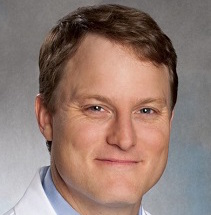
“CPC was created as an avenue to enable faculty to engage in impactful clinical research that in many cases would need a commercial research organization or in-house industry support. Through our on-campus academic research organization, we can perform these studies as investigator-initiated studies, independently, in some cases even acting as the sponsor. This gives faculty a variety of options when considering how to best structure research programs,” says Marc Bonaca, MD, professor of cardiology in the CU Anschutz Department of Medicine and executive director at CPC.
“We’re focused on discovery, implementation, and impact, and we want to bring our learnings home to help people in a very real way. In fact, CPC has a community health arm that delivers prevention programs to the people of Colorado both in Denver and broadly through embedded health navigators.”
Using CPC’s resources to study cardiovascular disease
As a CU Anschutz-affiliated nonprofit with campus leadership oversight, CPC can work closely with the university while enabling operational flexibility for efficient, effective research.
The scale and scope of CPC’s activities have expanded significantly over the last decade with approximately 150 employees now supporting about 10 large multinational studies and almost 50 specific studies in core lab research, data monitoring, adjudication, biostatistics, and other areas.
Trials at CPC span heart failure, atherosclerosis, primary prevention, artificial intelligence (AI)-enabled imaging, thrombosis, obesity, metabolic disease, kidney disease, stroke, and inflammation. Investment into AI and automation to build efficiencies has enabled the organization to rapidly scale and take on a large portfolio of activities.
The mix of studies at CPC supports the research focus of the faculty. Prior studies have included gastrointestinal (GI) procedures, blood products, cancer trials, and pediatric studies such as the National Institutes of Health (NIH) UO1-funded KIDS DOTT trial. Hematology and thrombosis-focused academic thought groups called ATLAS and PEDI-ATLAS collaborated with researchers and CPC on the multi-site trial.
Under Bonaca and former Executive Director William Hiatt, MD, CPC served as the data coordinating center for the KIDS DOTT trial, while Johns Hopkins All Children’s Hospital served as the clinical coordinating center. Faculty across a range of specialties may wish to consider CPC as they evaluate options for supporting their research portfolios.
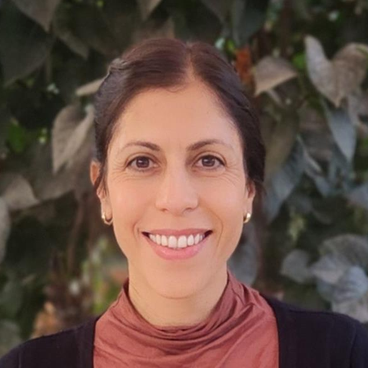
Sivan Naveh, MD, MSc, a vascular medicine specialist and assistant professor of cardiology, says her time as a research fellow at CPC has been invaluable to her career growth. Now, she’s leading her own clinical trial there.
As a fellow, funded by the CPC Hiatt Fellowship Program, Naveh received specialized training in vascular medicine integrated with core training in clinical research and clinical trials. Mentorship from CPC faculty has helped Naveh integrate her clinical and research interests. She is now an assistant professor at CU Anschutz and a core faculty member within CPC.
“At CPC, there’s a big emphasis on mentoring and being part of the team, whether you’re early career, mid-career, or more senior. There’s a lot of collaboration on both clinical and research work,” she says. “It’s always been supportive. In conversations, we discussed how to improve our work but also how each of us could develop professionally.”
Naveh’s current clinical trial focuses on atherosclerotic cardiovascular disease (ASCVD), a cluster of conditions that can arise when the arteries stiffen and grow narrower from a buildup of fat, cholesterol, and other substances in blood vessel walls (atherosclerosis).
Left unchecked, atherosclerosis can cause high blood pressure and a heightened risk of blood clots, which can lead to complications like heart attack, stroke, peripheral artery disease, and aneurysms. Because these and other types of ASCVD are becoming increasingly common, Naveh is leveraging CPC’s expertise and resources to study how ASCVD patients fare when treated by different types of providers.
Namely, she wants to find out whether patients who see vascular specialists show improvements in their cholesterol profile compared to those who don’t. A cholesterol profile high in “bad” (LDL) cholesterol, low in “good” (HDL) cholesterol, and high in triglycerides is a known risk factor for heart and vascular disease.
In Naveh’s investigator-initiated implementation science trial, called OPTIMIZE ASCVD, one group of ASCVD patients will receive care with their primary health care provider, while the other group will receive cholesterol management from a team that includes a vascular medicine specialist, a pharmacist, and algorithm-based tools. The researchers plan to compare the two groups’ cholesterol levels after treatment.
Naveh is hopeful that more specialized care could lead to better outcomes for patients.
“We’re trying to look at what happens to your cholesterol depending on who's treating you. Maybe we’ll find that there is a significant difference in cholesterol between the two groups,” she says. “We already know the benefits of lowering cholesterol. If we can show that we are implementing that knowledge in a better way, maybe in the future patients with ASCVD will be referred to a vascular specialist for their care.”
A culture of collaboration and innovation
Naveh’s study illustrates what is possible when talented researchers bring their ideas to a research organization like CPC, particularly with its connections to CU Anschutz including the Office of Clinical Trials, UCHealth, and industry partners.
“I feel really fortunate to be part of both CPC and CU Anschutz,” says Naveh. “The researchers that are part of this collaboration have the opportunity to affect patients in a broader way than ever before. And there are so many resources and industry connections you’re being exposed to that are not part of the academic world.”
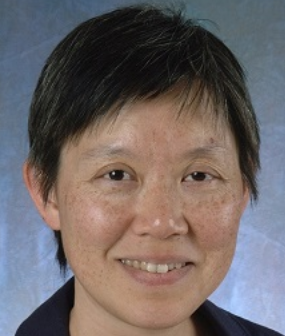
Judith Hsia, MD, chief science officer at CPC and research professor of cardiology, says CPC essentially handles every aspect of running clinical trials except for drug manufacturing — even for more complex trials that can involve thousands of patients worldwide.
“The studies we design are focused on underserved populations. What are the unsolved problems, and how can we best improve people's health?” says Hsia. “Other companies tend to follow in the footsteps of what's been done before. We try to break out of that mold.”
Faculty members and researchers interested in learning more about CPC are encouraged to email Bonaca directly at marc.bonaca@cuanschutz.edu.