Have any of your patients complained about the volume of The Odyssey or other movies?
Patients do talk a lot about movie volumes, with concern that they're getting louder over time, although not specifically The Odyssey. But when I polled a few people around here, they said it was quite loud.
It’s safe to say that movies have gotten louder. This is a combination of changes in the technology of speakers that movie theaters are outfitted with, and in how movies are recorded. Certainly, there are higher peak levels of sound in certain movies, but not every movie.
Some moviegoers with phone apps and smart watches that can measure sound levels have reported brief readings in excess of 100 decibels during The Odyssey. How much of a risk would that level of sound pose?
When we talk about damage to the ears from high-level sounds, we talk about two different types of damage. There’s damage that happens instantaneously from extremely loud sounds — the level of a gunshot, for example, is above about 132 decibels.
We also talk about exposure to loud sound over a period of time and how an individual is exposed to them. For example, in industry, we have occupational sound exposure limits. According to the Occupational Safety and Health Administration, you can be exposed up to 85 decibels for eight hours a day over the course of your entire working career. Only a small percentage of people will experience hearing loss from that.
When we talk about recreational sound exposure, such as at the movies, a concert or a sporting event, we usually make a bit more conservative recommendation: 85 decibels for eight hours, and, as sound levels go up, we recommend less exposure time – 88 decibels for four hours, 91 decibels for two hours, or 94 decibels for one hour.
Most movies don't exceed our noise exposure standards significantly, and for the average moviegoer, going to an occasional movie that's on the high end of volume is not going to be harmful in the long term. If you're going to a movie every single day, or multiple movies in a day, that raises your risk.
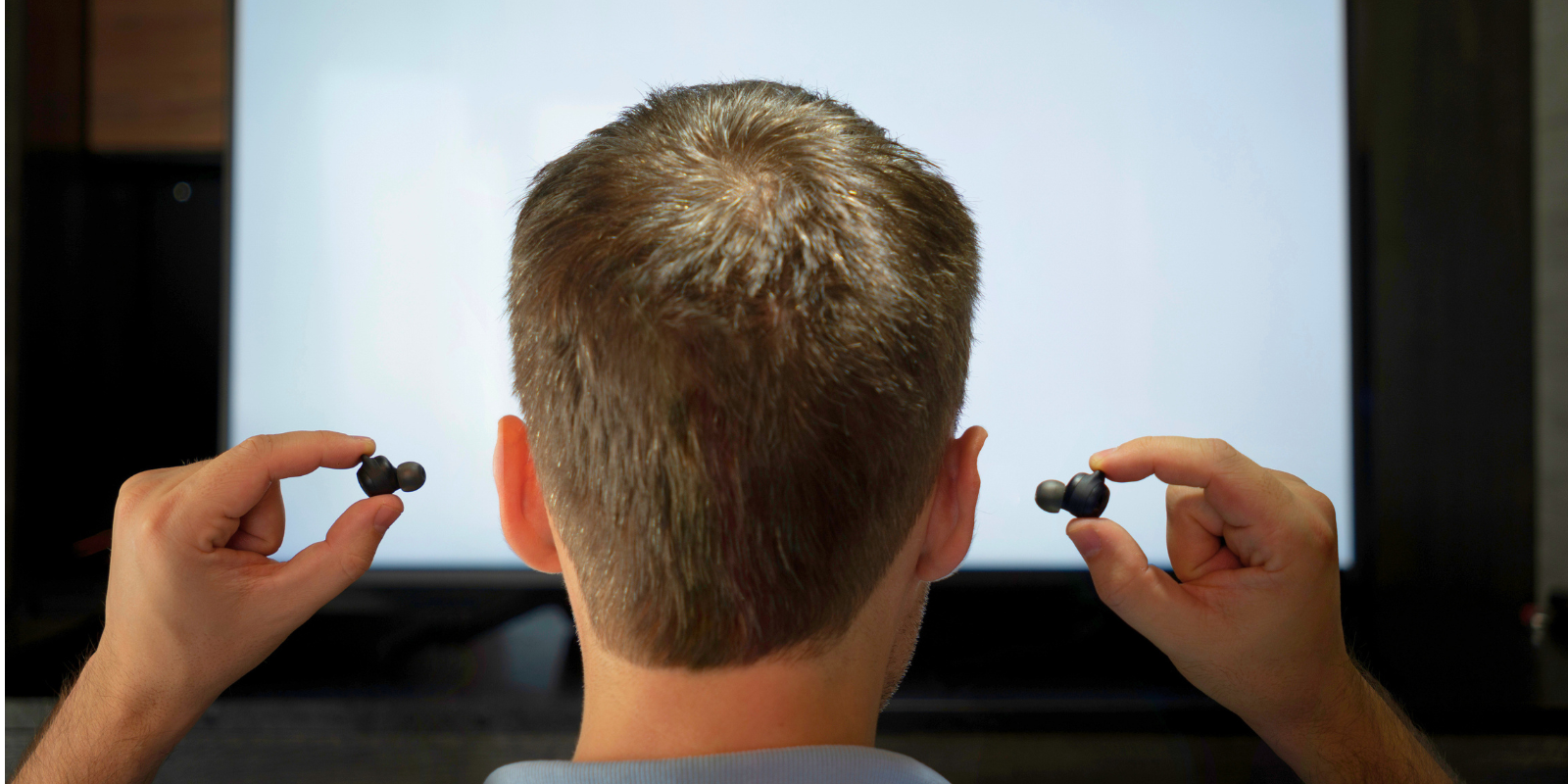
That said, some people find that the loudness of movies is uncomfortable, especially if they already have some hearing loss. Everybody has different tolerance for very loud sounds. If you find that that the loudness of a movie is uncomfortable, a set of good earplugs can make you more comfortable.
→ Do Noise-Cancelling Headphones Help or Hurt Hearing?
What other sorts of recreation events might pose a hearing risk?
In our work, firearms and fireworks are the biggest concern for doing damage to hearing. If you're using firearms or fireworks, it's a good idea to be wearing hearing protection.
Outside of that, people spending a lot of time at concerts are putting themselves at some risk, especially at loud concerts or when you’re closer to a stage. Riding off-road vehicles, sporting events, and tractor pulls are going to be very loud, so it’s a good idea to protect your hearing, and also to protect your children. There’s evidence that kids are at greater risk than adults.
What about day-to-day noises, like sirens, lawnmowers, power tools, and hair dryers?
For most people, day-to-day sounds, like a siren passing by or drying your hair, aren’t going to be a big deal. As for lawn mowing or use of power tools, it depends on how long you're doing it. If you work in lawn care or you’re a woodworker using noisy tools eight hours a day, that puts you at greater risk for losing some hearing. Same if you’re a stylist and you're blow-drying hair all day long.
How does loud sound damage our hearing?
Our ear picks up sound and brings it into the inner ear, where tiny hair cells move in response to sound and turn it into electrical impulses that go up the auditory nerve to the brain. Those inner-ear hair cells can be damaged instantaneously by breaking or shearing off from very loud sounds. From an extended period of loud sound, we see some of those hair cells begin to wear out and die.
Are there warning signs we should pay attention to?
If you are around loud sound, and, when you leave that environment, your hearing feels a little muffled, or if your ears are ringing, that's a sign you've been around sound that’s too loud, and your ears may have already experienced some, perhaps temporary, damage. In that case, you lose some hearing, but it tends to come back over the course of about 18 hours. Now, every time that happens, you're doing a little bit more permanent damage to the ear, and there could be cumulative changes in hearing over time.
If you find that you have ringing in the ears that that never stops, or you’re not hearing as clearly as you used to, those are signs that you may have had damage from loud noise, or else changes to hearing related to other medical concerns. If you find that you are asking people to repeat themselves, that it's difficult to hear voices in a noisy environment, it's probably worth getting your hearing checked.
If you experience a sudden drop in hearing, it's important to tell your doctor right away, because that’s something we want to investigate and potentially treat quickly.
You talked about earplugs. What are some other protective measures?
When you're going to be around loud sound, think about ways you can reduce your exposure. If you're going to a concert, up front is the loudest place to be. Sitting farther back or in an open area may reduce sound levels for you.
You may also choose earplugs or earmuffs to reduce your sound exposure. A standard set of foam earplugs or earmuffs can be great for reducing sound levels. In fact, the best hearing protection is a basic pair of foam earplugs. But they also muffle sound a bit.
There are some types of earplugs that are specifically designed to be high fidelity when listening to music. You can easily find them online at a reasonable cost. My favorite is the Etymotic Research ER20XS high-fidelity earplug. But there are other ones that work well, like earplugs from Eargasm and Earpeace. They would be a great choice at a movie, too.
And besides protecting your hearing from very loud sound, a healthy lifestyle, good nutrition and exercise help preserve hearing.
→ Football Season Means It’s ‘Prime Time’ for Earplugs
Are there effective ways we can use tech to monitor sound we’re exposed to?
The Apple Watch Noise app is surprisingly accurate at measuring ambient sound levels. Also, for iPhone, the National Institute for Occupational Safety and Health has a quite accurate app, the NIOSH Sound Level Meter. It will record sound levels over time and tell you your risk. There are other apps for iPhone and Android that work well.
When should we get a hearing test?
If you’re exposed to high-level sound in your workplace, or very frequently in your recreational activities, it's a good idea to have a hearing test every year or two. If you're not exposed to loud sounds all the time or very frequently, we recommend a hearing test around age 65, and then follow-ups after that. And certainly, if you have concerns about your hearing or your hearing changes, it's a good idea to take it to see an audiologist.