What is silent reflux and how does it differ from what we know as traditional acid reflux?
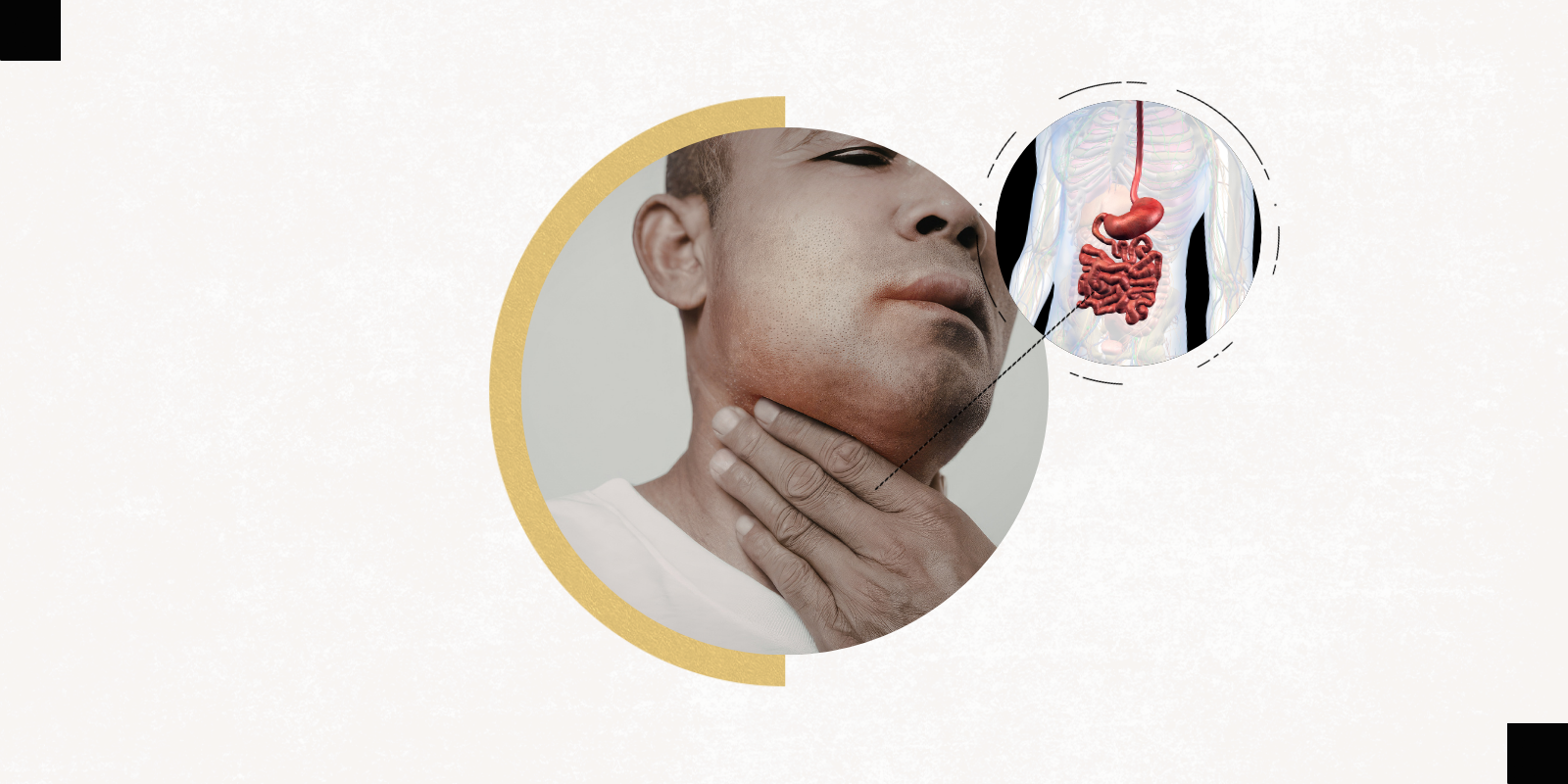
The term “silent reflux” has gained popularity. It is when gastric contents go up the esophagus and can cause damage to the lining of the esophagus without causing any obvious symptoms.
Traditional symptoms of acid reflux include heartburn, where you feel that burning sensation behind your chest or breastbone, or you may experience symptoms of regurgitation, which is when you regurgitate gastric contents. Patients often report tasting that bitter, sour fluid at the back of their throat.
Some mild symptoms, such as a sore throat or voice changes, for example, seem like they could be common and perceived as normal for a lot of people. When should they raise concerns?
There can be a lot of confusion around what is truly related to acid reflux and what might be symptoms of something else. If you’re experiencing these symptoms, especially for a prolonged period, it’s a good idea to talk to your primary care physician who can then consider sorting out these symptoms and determine whether seeing a specialist might be beneficial. They may consider screening for Barrett’s esophagus, which is the only identifiable precancerous condition for esophageal cancer and esophageal adenocarcinoma.
Reflux symptoms often respond to acid-lowering medications, such as proton pump inhibitors. While symptomatic control is assuring, clinicians still need to consider the risk for Barrett’s esophagus and esophageal adenocarcinoma and determine if screening for these conditions is indicated.
Do those milder symptoms still put a person at higher risk for further conditions?
Yes, absolutely. Whether you feel the symptoms or you don't, reflux is one of the most important factors related to esophageal cancer, and even more specifically esophageal adenocarcinoma. 40% of patients with esophageal cancer (adenocarcinoma) will tell you they've never had any reflux symptoms.
Esophageal adenocarcinoma is among the fastest rising incidence cancers in Western populations, and despite all the advances that we've made in this space, the five year survival rate for esophageal adenocarcinoma still is about 20%.
Our goal is to identify Barrett's esophagus, the pre-cancerous condition, in individuals who are at risk for Barrett's and esophageal adenocarcinoma and manage them appropriately.
How important is screening for Barrett’s esophagus and what are the recommendations around screening?
More than 90% of patients with esophageal adenocarcinoma have never had an endoscopy done in the past. They've never been diagnosed with Barrett's esophagus. So, there’s a missed opportunity here.
It's important to understand what the risk factors are, along with reflux and non-reflux related risk factors. What are those other risk factors that we should think about? Age greater than 50, males, caucasians, those with a history of smoking, obesity, and family history of the condition.
Guidelines state that you should consider, at the bare minimum, screening for those individuals for Barrett's and esophageal cancer when they have reflux symptoms, along with three or more other risk factors that I mentioned.
Overall, we've done so much work on raising awareness for colorectal cancer, so folks are getting screened for colon cancer more often which has led to improvement in incidence and survival rates, but unfortunately, the overall uptake for screening for Barrett's and esophageal cancer is abysmal. About 10% or so of individuals who are truly at risk get screened. This is an important mission within our center to raise awareness for this deadly cancer, to ensure that folks who are at risk get screened for Barrett's and esophageal cancer.
How is medicine evolving to meet that need of screenings and where do you see as the future going for this work?
There is a logistical issue of getting an upper endoscopy done on all those individuals who are at risk. We recognize that, and we're trying to change this paradigm by introducing non-invasive screening tests.
Imagine if you came to my office and I had you swallow a tiny capsule that's attached to a string. When you swallow it, it gets converted into a sponge or a tiny balloon. It collects cells, and then we send it to a lab that tells us if that test is positive or not. If it's positive, then you need to undergo an endoscopy. If it's negative, we all can have that peace of mind that you have been screened for Barrett's and for esophageal cancer.
This is an important mission for the Rady Center and the Division of Gastroenterology – to shift this paradigm regionally and then hopefully at a national level. Our goal is to ensure that individuals at risk are screened appropriately. This will ultimately save lives lost to esophageal cancer.