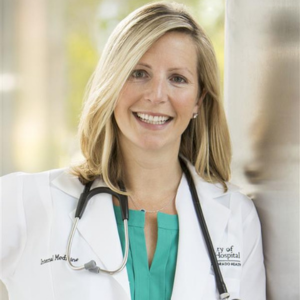
Each day in the primary care clinic, chief internal medicine resident Ellen Brinza, MD, discusses mental health to some degree with patients who feel it impacts their life.
“Everybody has some degree of stressors going on,” says Brinza, who acknowledges she’s not immune to the pressures of everyday life in addition to the long, demanding days of residency and preparing for a cardiology fellowship.
Her busy schedule can make seeking, scheduling, and attending a therapy session challenging even when it’s a priority.
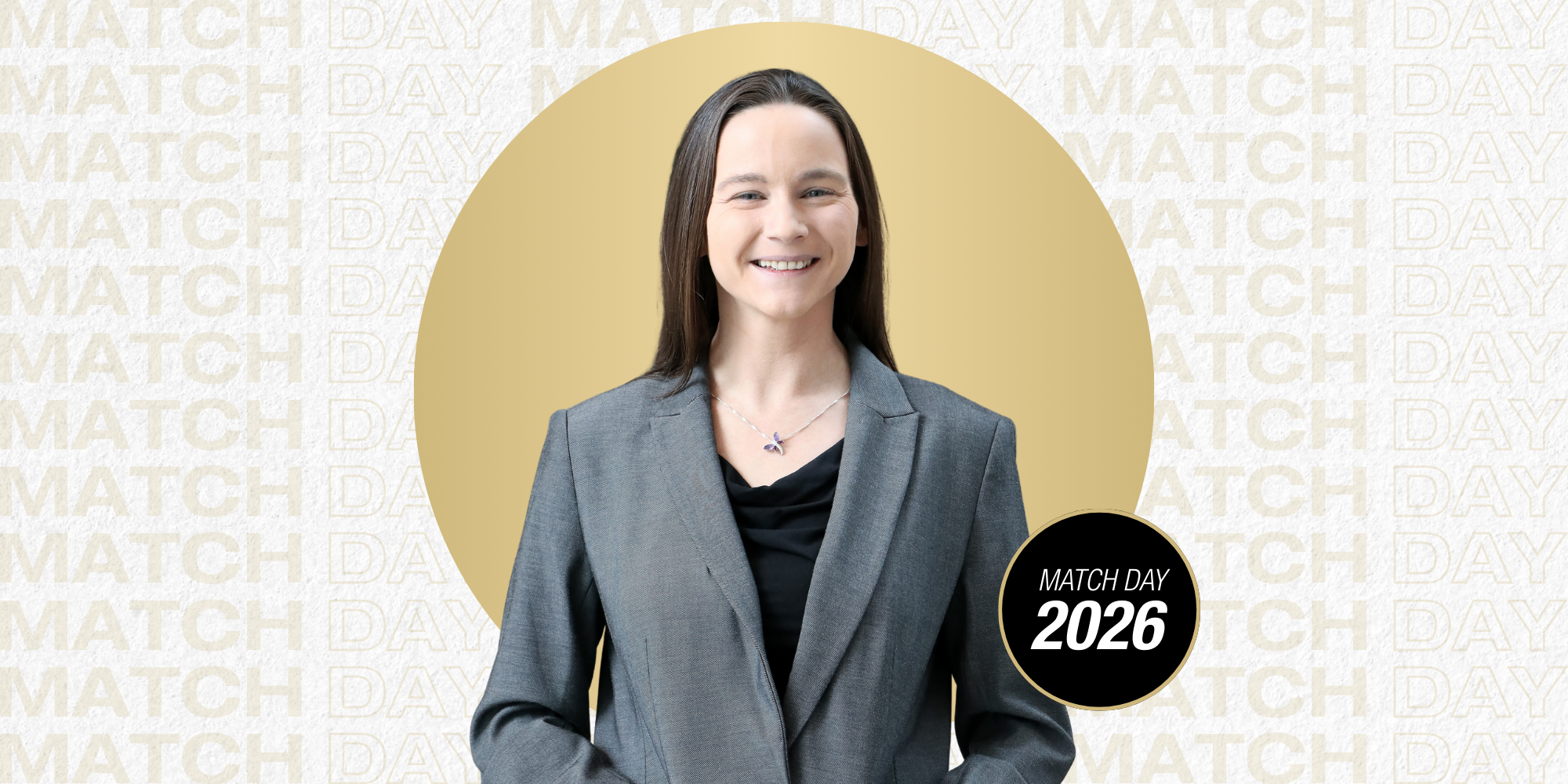
Leaders of the internal medicine residency at the University of Colorado Anschutz School of Medicine found that to be a similar experience among many of their trainees, says Katie Suddarth, MD, an associate director of the residency program. So, when last year an opportunity emerged to partner with SOL Mental Health to offer therapy and psychiatry services to interns and residents, it felt like a good fit.
“For many years, we heard that residents wanted to utilize mental health resources, but they were so busy, which made it difficult to engage. And, there was limited availability for the resources they were trying to access,” Suddarth says.
The residency program decided to reduce the barrier to connecting with mental health resources by scheduling initial visits for the residents, but was met with challenges in finding sufficient resources for mental health providers.
Then, came SOL Mental Health.
One of the biggest benefits to working with SOL is their capacity and their availability, Suddarth says.
“SOL’s increased capacity made the scheduling process easier, and, because they have such a robust and diversified staff, they were able to be intentional with provider assignment to maximize therapeutic alliance with the residents which is one of the keys to long term success,” Suddarth adds.
The visits are opt-out, so a resident doesn’t have to attend if they don’t want to. The appointments remain confidential and are managed completely by the SOL team.
The endeavor ended up being worthwhile. Today, the partnership with SOL has kickstarted a whole ecosystem that allows trainees to easily access mental health tools that will enable them to show up to training, especially when it can be stressful or difficult, as their best self.
This fall, SOL plans to expand its coverage, working with more residents and trainees at CU Anschutz.
‘It’s helpful to have the right skills’
Training for internal medicine, like most medical residency programs, can be intense.
“There are many aspects to medical training that create an incredibly stressful work environment. Residents work long hours, often getting just one day off per week and working overnight or on weekends,” Suddarth says. “Residents have limited control over their schedules. Additionally, residents often care for patients during the most stressful times in a patient’s life, while also navigating the stressors of a broken health care system.”
Understanding those stressors is often an important factor in finding the right mental health professional. Leaders at SOL say finding the right match between mental health clinicians and internal medicine trainees has become an important part of the company’s partnership with the residency program. They ensure their clinicians matched with internal medicine trainees are prepared for the task.
“We approach this partnership with a lot of intention,” says Seth Mudd, regional clinical director of therapy for SOL. “In working in hospitals pretty much my entire career, I’ve seen the mental juggernaut that residency is and that a lot of that work is geared toward education and making sure they can serve a wide swath of patients. But seldom is it looking at what the residents need from a mental health perspective.
“This is an opportunity to be able to meet a cohort very new into their training and talk about a different way of engaging with themselves, with others, and know that it will have a meaningful impact on their patients, too.”
Unaddressed, common stressors among health care professionals can lead to burnout, which can have physical manifestations, affect work quality, and patient safety. A nationwide survey of thousands of physician residents published in 2025 found that nearly half report burnout symptoms, while a 2023 national study of U.S. physicians revealed that 45% say they experience burnout – a rate that is higher than other professions across the workforce.
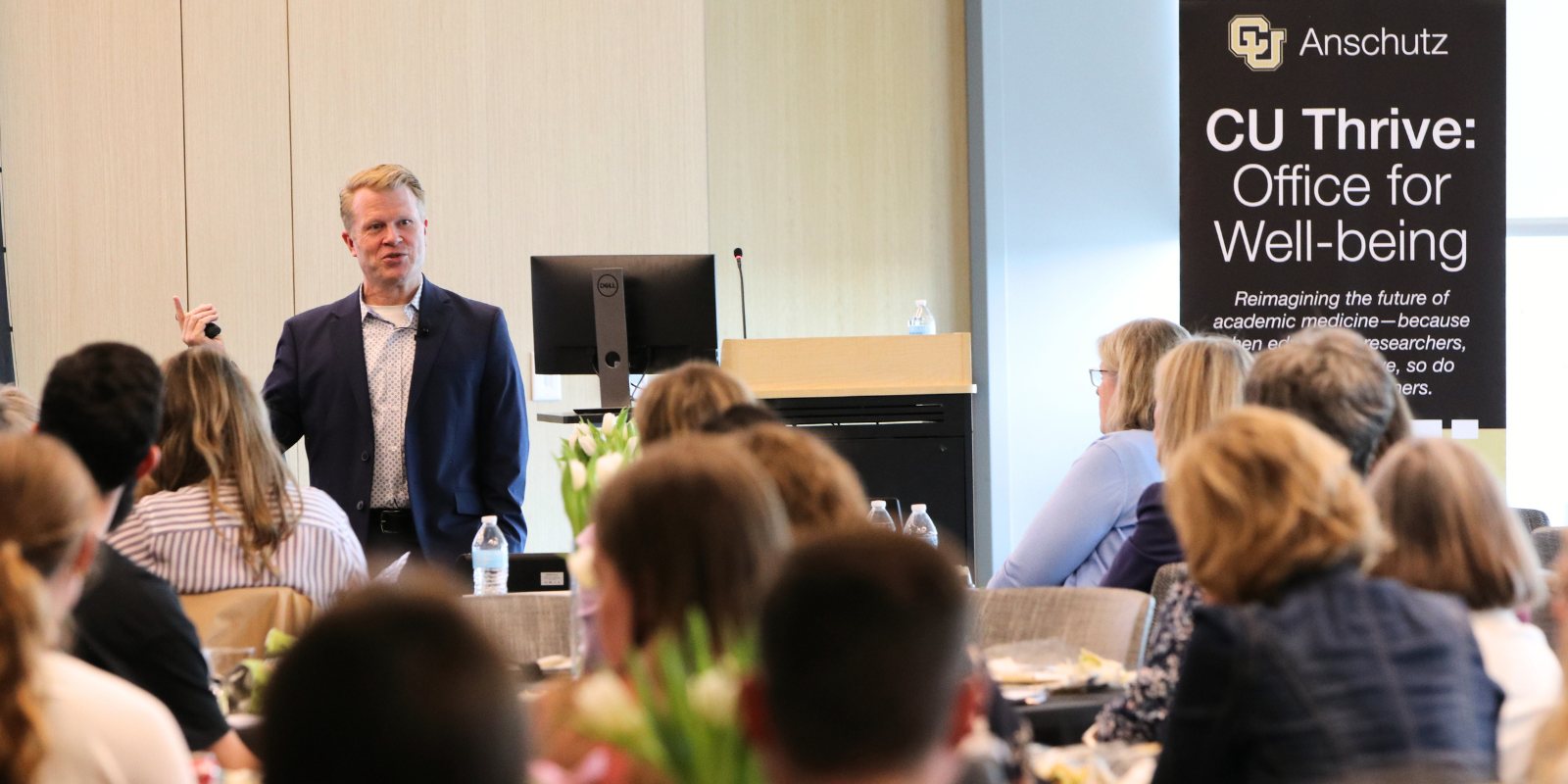
In the face of that challenge, leaders at CU Anschutz have made addressing burnout among faculty across clinical, research, and educational roles a priority. In March, the CU Anschutz School of Medicine hosted the inaugural CU Thrive Well-Being Innovation Day where leaders in medicine shared new evidence in reducing burnout, innovations, and practical solutions.
The partnership with SOL is putting institutional philosophy into practice, and so far, it’s been a success. Suddarth says the partnership has been “tremendous.”
“Anybody who goes through this training experiences some kind of work-related trauma at some point, whether that’s an unexpected death, inability to cure a patient’s disease, or the inability to take care of a patient in the desired way due to the limitations of the health care system. Processing that can be difficult. It's helpful to have the right skills to do that,” Suddarth says.
For Brinza and her peers in training, scheduling a therapist or mental health professional is now one less stressor for the week, and she knows she’s showing up to work with a clinician who is specially trained to work through her needs.
Looking toward burnout prevention
SOL’s Colorado Market Leader Mary Coleman says SOL approaches mental health care from a place of “wanting to make it as easy as humanly possible.” That value clicked with the internal medicine residency.
“It can be hard and scary to access mental health care support, just generally,” Coleman says. “A patient will sometimes call us and hang up several times before they find the resolve to schedule their first appointment.”
Because of that, Coleman says SOL’s staff does the heavy lifting on the front end to make sure clients are getting the right match with a clinician so that the care is beneficial.
Mudd, a social worker of 23 years, has also spent his time offering group education, presentations, and more to trainees when it fits into their schedule.
“Everybody benefits from therapy, myself included,” Mudd says. “Extending these services to various health care training programs has a net benefit and we’ve been able to build a unique structure that’s able to offer support.”
Now, with about a year in progress, the two partners say they’re ready to start reviewing data to better understand effectiveness beyond the anecdotal feedback they’ve received.
Suddarth says that will even further help ensure residents move into a career where they may be better prepared to handle burnout, mental health, and the challenges of the job.
“As a provider, if you’re severely burned out, it can be hard to show up as your best self,” she says. “Many careers have been shortened by burnout. We want our residents to thrive in their work, so this type of partnership also helps with prevention. We want our trainees to love their jobs, love taking care of patients, and to have long and meaningful careers.
“Not only do we want you to be your best self for the patient you’re taking care of now, but hopefully for the patient you’ll see in 20 or 30 years.”