

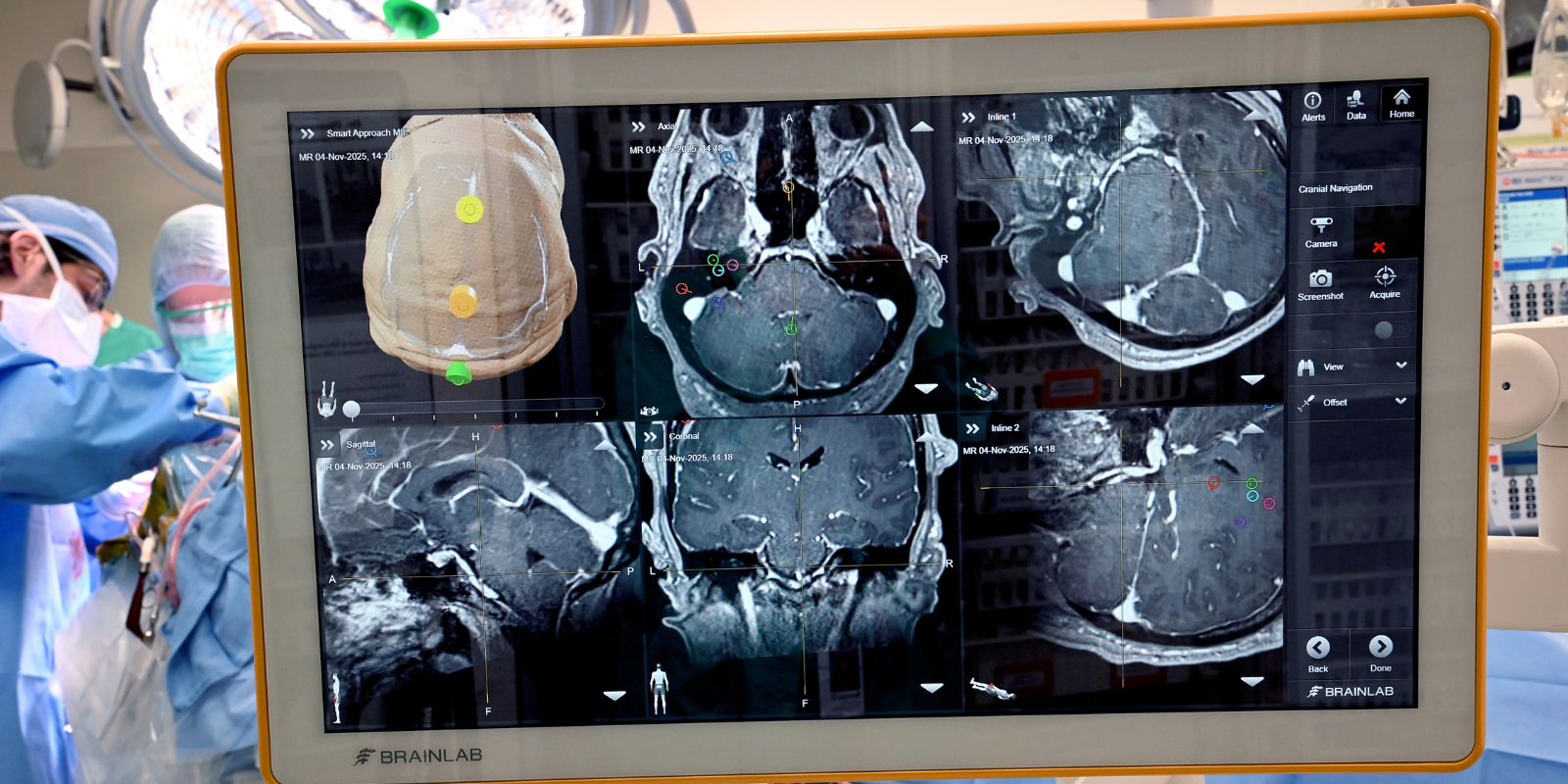
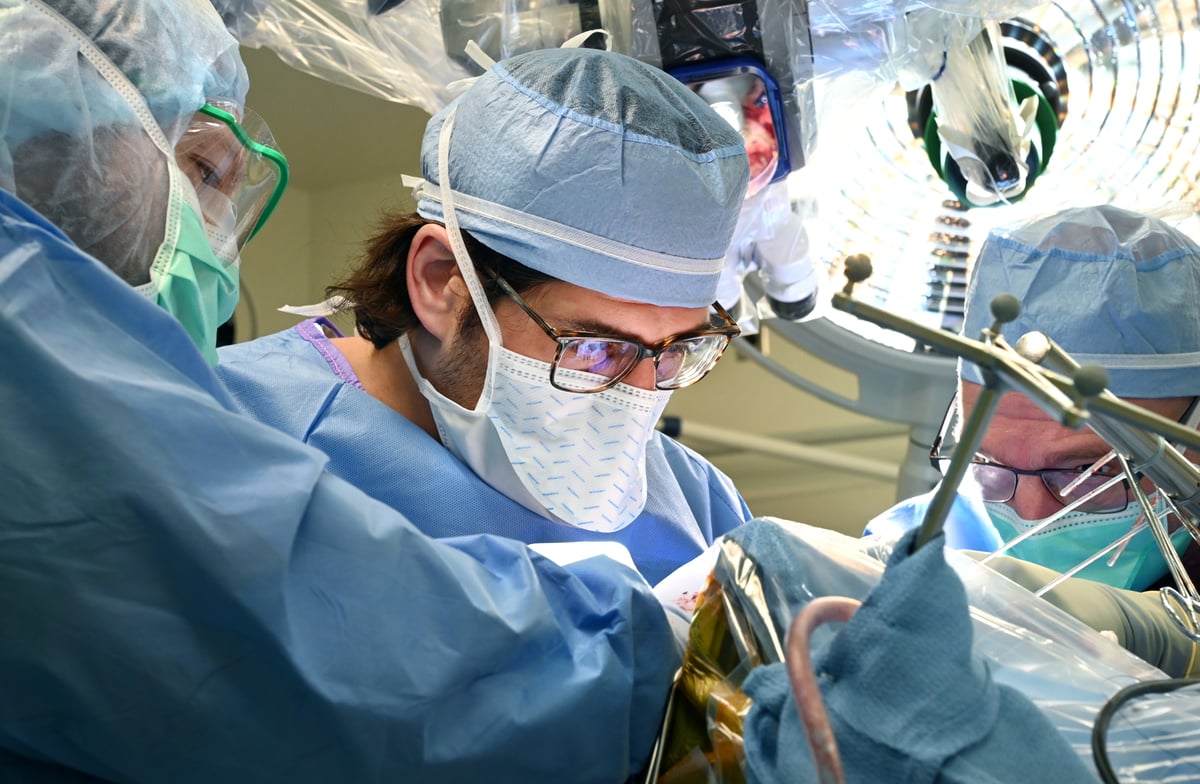
Neurosurgery experts with the University of Colorado Anschutz performed Colorado’s first implanted brain‑computer interface (BCI) surgery at UCHealth University of Colorado Hospital, marking a significant advance for patients with neurological injury or disease. Commonly known as BCIs, the implanted technology can restore lost motor and sensory function by translating brain signals into actions for people with paralysis or neurodegenerative movement disorders.
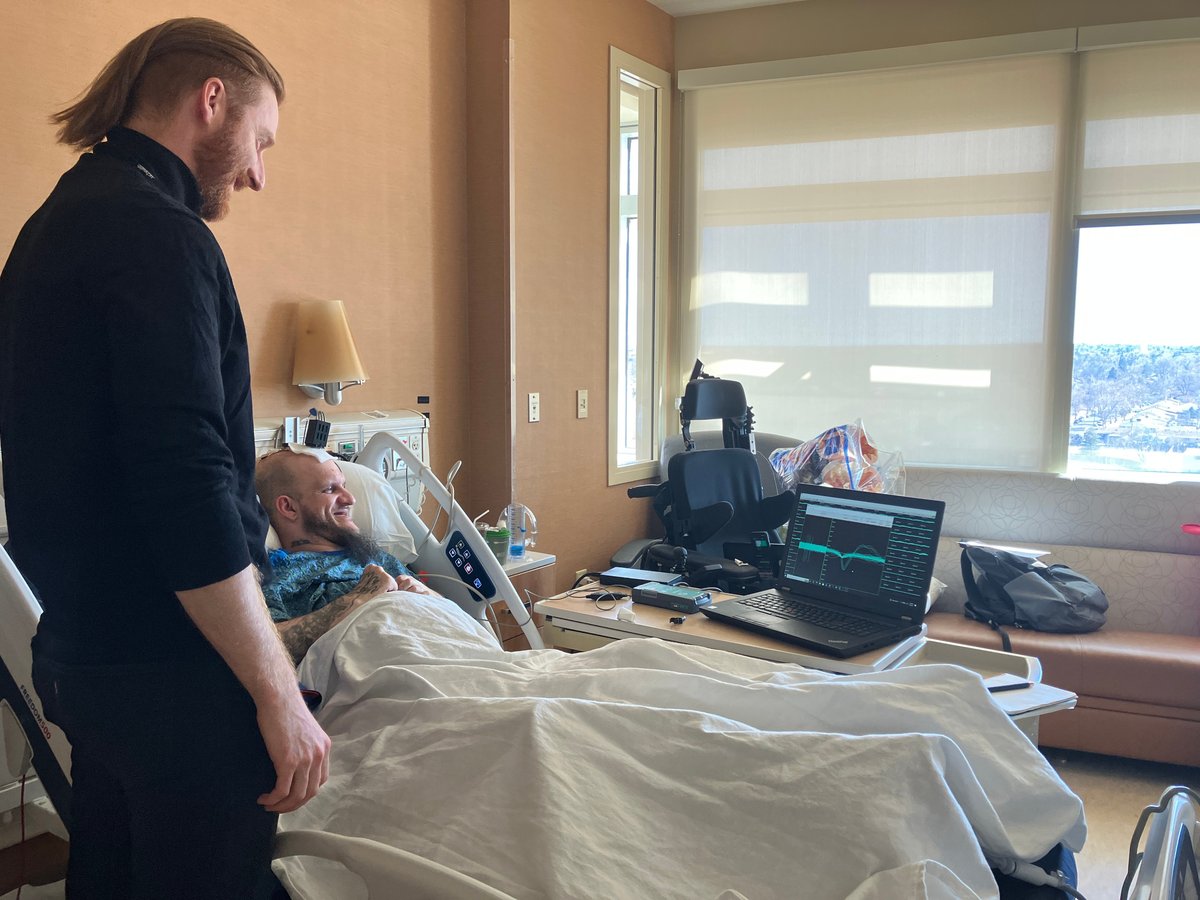
The 41-year-old UCHealth patient who underwent the groundbreaking surgery was in an accident approximately 10 years ago that paralyzed him from the neck down. Now, the implanted device will record and interpret his brain’s electrical signals, learning the relationship between the brain’s activity and his intended behavior. This will allow him to regain function and independence through external devices like controlling a robotic arm and using a computer. The research team will also stimulate sensory areas of his brain to restore sensation, aiming to help the patient feel his hand again for the first time since his injury.
What makes this surgery especially unique is where in the brain the device was placed. The physicians are among the first in the world to implant the technology in higher‑level areas of the brain that allow for more natural and complete sensory and motor control. This approach allows doctors to help restore function in a more complete way, and also allows for rare insight into how the brain turns thoughts into actions.
“This surgery is an important step forward not only for this patient but for neuroscience as a whole,” said Daniel Kramer, MD, assistant professor of neuroscience at the CU Anschutz School of Medicine and a neurosurgeon at UCHealth. “While most BCI procedures focus only on purely motor regions, implanting this device in higher‑level brain areas will offer new insights into how the human brain works during everyday thinking and movement.”
Key points:
- Colorado’s first implanted brain‑computer interface (BCI) surgery was performed at UCHealth University of Colorado Hospital at CU Anschutz.
- The surgery is able to restore lost motor and sensory function in people with paralysis and movement disorders, marking a significant advancement in the field.
- The team was among the first in the world to implant the device at higher levels of the brain, which will offer rare insight into how the brain turns thoughts into actions.
- Keeping the device implanted for years will allow researchers to study how the brain supports thinking and decision‑making over time, helping guide future treatments for cognitive and emotional disorders beyond movement loss.
Shaping the future of neurological treatment
The BCI device will remain implanted for many years, allowing the physicians and researchers to study how brain signals represent complex cognitive tasks, as well as how they change from day to day and respond to stimulation. By gathering unprecedented, detailed data on higher‑level brain functions – such as learning rules, planning, decision‑making, and turning thoughts into action – they aim to lay the groundwork for future treatments for not just pure motor control, but cognition as it relates to control of actions. The hope is that this research will eventually inform new therapies for conditions that affect cognitive control, such as mood disorders or dementia, expanding the potential of brain‑computer interfaces beyond paralysis alone.
“Being able to both perform this surgery and collect and analyze long‑term data from unique areas of the brain places CU Anschutz and UCHealth at the forefront of brain‑computer interface research,” said Luke Bashford, PhD, assistant adjunct professor of neuroscience and neurotechnology at the CU Anschutz School of Medicine. “Movement and cognition are uniquely linked. With this research program, we will begin to investigate the ways in which the brain generates and governs these processes.”
Access to advanced research and the possibility of regaining lost abilities
By offering this advanced brain‑computer interface study in Colorado, CU Anschutz and UCHealth are bringing a leading-edge opportunity closer to home for patients with spinal cord injuries, neurodegenerative conditions and cognitive challenges. Patients across the Rocky Mountain region now have access to participate in research that could help shape the future of neurological care by developing more innovative treatment options.
To learn more about participating in this BCI study, please contact the study team directly by emailing luke.bashford@cuanschutz.edu.
To learn more about other neurological treatment options available at CU Anschutz and UCHealth, visit the CU Anschutz Department of Neurosurgery and UCHealth Neurosurgery.
This research is supported by equipment and funding from Blackrock Neurotech and conducted under a consortium led by Richard Andersen, PhD, at Caltech, with Charles Liu, MD, PhD, at the University of Southern California. The experts give a special thanks to David Bjånes, PhD, at Caltech and the many contributors who made this project possible.

%20(1).png)

.jpg)