What are some of the challenges in treating chronic pain? How is it similar to treating addiction?
Frank: I'll start with the easiest answer, which is that there is no one-size-fits-everybody approach.
Any assessment and treatment plan should start with a detailed and individualized assessment of a person's experience, hearing their story with chronic pain from start to the present day and detailing a treatment approach to that person.
There are a few key themes in the treatment of chronic pain, which probably sound quite similar to the treatment of substance use disorders, typically using multiple treatment options and a team of providers together to treat the whole person. We call that a multimodal and biopsychosocial approach. It takes into account your own body, emotional wellness and environment and relationships around you.
Ashar: Agreed. And a major challenge in treating chronic pain is that many providers tend to think biomedically.
What does that mean? Think of it as, “If a patient’s back hurts, there must be a problem with their back." What we’re actually learning is, to use a line from an old song, “it ain’t necessarily so.”
Your back may have healed, and it’s primarily changes in the brain that are driving these bouts of pain. It doesn’t mean we don’t think your pain is real, but rather, we are reframing where it is coming from. Getting people to shift their mindset about what’s driving the pain is an important first step.
Another challenge: effective treatments are active treatments, which means a patient has to engage and do the work. There are very few things we can do to a patient, while they lay there passively, to heal chronic pain. Like treating addiction, there are no quick external fixes that don’t demand patient engagement and effort.
Can opioids actually make chronic pain worse?
Ashar: Yes. Addiction to opioids can drive chronic pain.
We know that opioid use sensitizes the pain processing system. There's a faculty member at CU Boulder, Linda Watkins, who has done a lot of seminal research showing how opioids cause glial cells – which support neurons in the brain – to become more sensitized and then drive further pain.
It's darkly ironic that opioids, which are short-term pain relievers, can be long-term pain enhancers because of their effects on the brain.
The situation can be rough. If you’re in more pain, you might need to increase your dose. Now you're in the cycle where pain and opioid use are cycled and supporting each other.
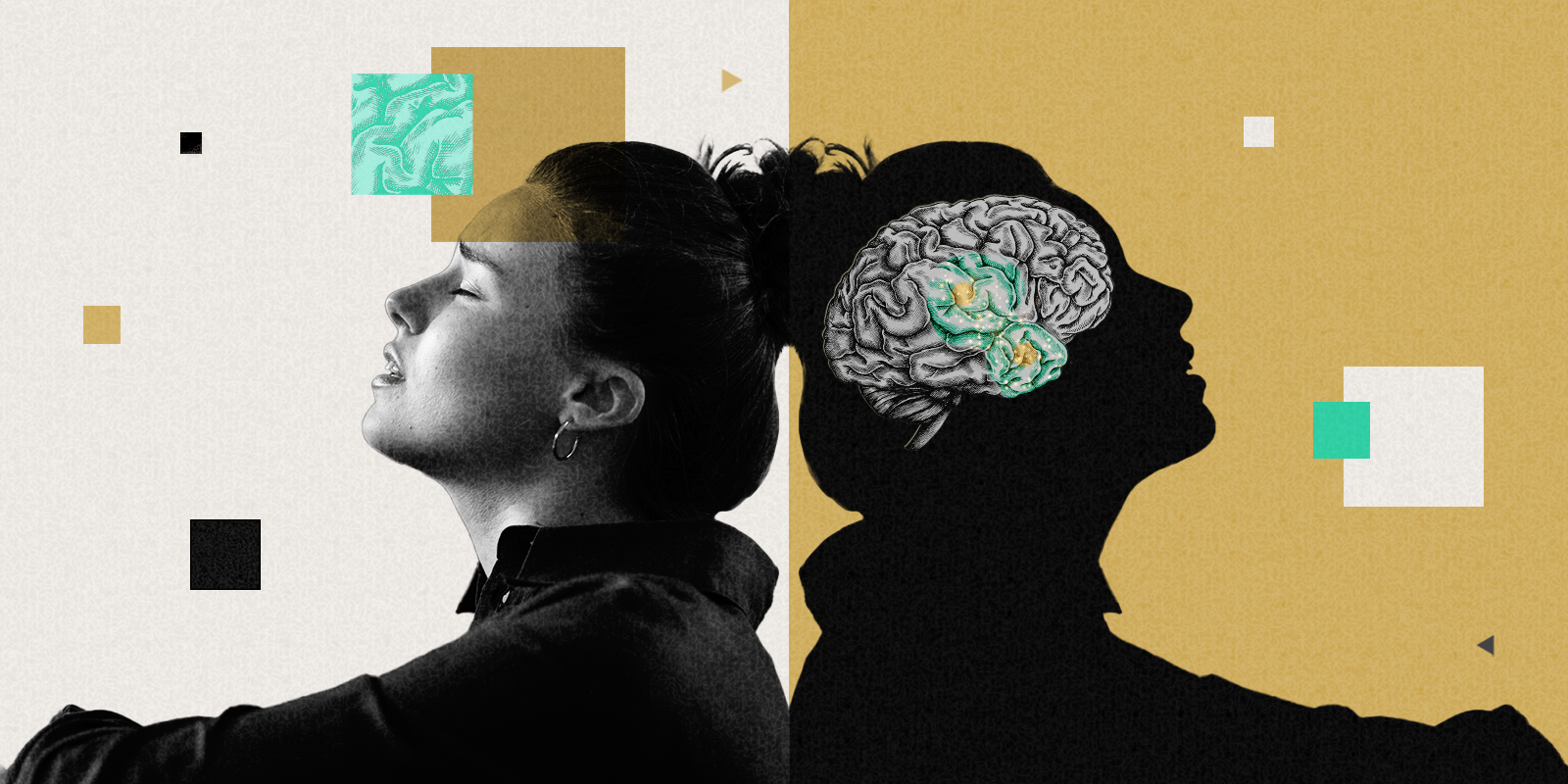
The brain is really one of these intersection points between chronic pain and other psychiatric conditions because some of the main regions that drive chronic pain, like the medial prefrontal cortex and nucleus accumbens, also house the main pathways that drive depression, anxiety and addiction. They overlap at the brain level in terms of underlying neurobiological mechanisms of pain and addiction.
What are some of the new methods that you both have been exploring in this space to help alleviate chronic pain?
Ashar: One we’re really excited about is called pain reprocessing therapy (PRT). It is a psychological treatment that aims to retrain the brain out of chronic pain. It's a set of specific techniques involving reconceptualizing the nature of the pain and emotion-focused techniques to help the brain unlearn the pain.
Joe and I are now MPIs (Multiple Principal Investigators) of a large Department of Defense-funded trial testing this treatment in veterans. To date, this treatment has had very encouraging results in a population of civilians with chronic back pain but without a lot of opioid use. We are expecting in this trial we're launching now that there will be substantially more veterans who are prescribed opioid medications for chronic pain, and it will be good to see how effective PRT is in those populations.
How can pain reprocessing theory be beneficial for individuals with chronic pain that also might have a substance use disorder?
Frank: That’s actually why we think that pain reprocessing therapy is such an exciting approach. We have more to learn in this ongoing clinical trial, but we’re thinking about care that’s appropriate for individuals with a history of substance use disorder.
This is an exciting direction for the field ahead because it opens up this treatment approach for anybody living with chronic pain to at least see this as an option. Because, like substance use disorder, chronic pain recovery looks a little bit different for each person.
A person really defines for themselves what recovery means, but it is still very new in chronic pain to talk about a goal of helping people get out of pain or to recover from chronic pain. The neuroscience says that that's what we should be talking about. PRT has really been designed with that treatment goal in mind.
In that sense, it's hopeful, it's promising. Whereas, for example, passive biomedical treatments don't really offer that same promise of addressing root causes and recovering from back pain.
How important is building a community when treating chronic pain?
Ashar: That’s another key connection between chronic pain and addiction: the value of community in recovery. Our data and qualitative analysis of the patient experience in the study show that they view and talk about the connection with providers as such an important part of their recovery journey.
Frank: We’re also interested in exploring interventions that can help people connect with others around a shared experience of living with chronic pain. That’ll be an important part of the work ahead – for chronic pain not to be an individual and lonely struggle, but discovering hope through community and seeing how it is possible to recover with other people.
What drives you both in pursuing this research?
Frank: This approach really does center each person's experience and puts them at the helm, empowers them with tools and strategies that they can own, that they can use, and does so in the context of their whole person and whole lives.
Rather than focusing on an individual joint or imaging finding, it prioritizes whole-person care. This approach is really more hopeful and much more promising than many of the other tools that we've considered our go-to tools in chronic pain care for a long time.
Ashar: I see an exciting paradigm shift happening in the field. We’re hoping to move from a model of better coping with chronic pain to a recovery model.
I mean even now, if you Google chronic pain, the summary says, “Treatment can help, but this condition can't be cured.”
First off, I think “cured” isn’t the right word. I think we should be talking about recovery, because you might have relapses in your pain from time to time – similar to addiction. But we think that the general sentiment of “chronic pain can’t be cured” is wrong. Our research is showing that people do recover, which is exciting to be a part of.
For an extended conversation on chronic pain with Ashar, check out his appearance on Health Science Radio.
Key points:
-
Treating chronic pain is different for each individual.
-
This is due to the way pain is felt after an injury is healed in the brain.
-
Opioids are used as short-term pain relievers, but extended use can make chronic pain worse.
-
Chronic pain overlaps with the same pathways in the brain that drive depression, anxiety, and addiction.




%20(1).png)
.jpg)