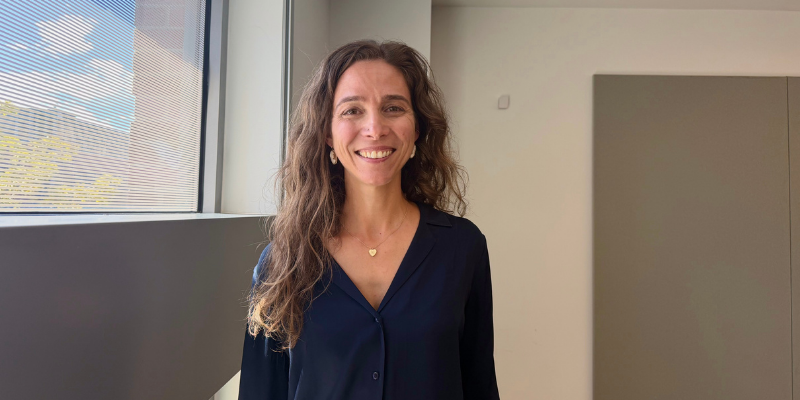
As an incoming Master of Science in Nursing student, having leadership skills and building your confidence is critical as you take on more responsibility and different roles. Dr. Krista Estes, the Assistant Dean of Master’s Programs at the University of Colorado Anschutz College of Nursing, explains what you can do to build those skills throughout an advanced practice nursing (APN) program.
Leadership is an Essential Part of Advanced Practice Nursing
It’s important to remember that an advanced practice nursing (APN) program isn’t just preparing you to become a clinician or professional expert. It’s also about preparing you to become an expert who influences patient care, advocates for your patients, collaborates with other healthcare professionals, and drives meaningful changes in healthcare.
You must move beyond simply learning information to applying and analyzing information. Healthcare is incredibly complex and continues to change rapidly, so our advanced practice nurses need to look at the problem and ask not only what they should do for a patient, but also why it is happening. Is there a better way to treat the problem? Who needs to be involved? As an APN, you’ll ask yourself many questions and use your critical thinking skills.
Confidence is Important, Too
Confidence is part of your growth as a student. You should be curious, able to accept feedback, and willing to challenge yourself. As an advanced practice nurse, you’ll be making complex decisions and communicating those recommendations with others, so it’s important you feel prepared and confident when stepping into an APN role.
Skills Develop with Practice
You should start building these skills early and get comfortable sharing your perspective. You can do these things while in a graduate program:
-
Actively participate in class discussions or discussion boards
-
Think about thoughtful questions (and ask them!)
-
Participate in volunteer opportunities
-
Take initiative in group projects
In the workplace, start volunteering for committees, work on quality improvement initiatives, mentor, precept, and become involved in professional organizations.
Leadership Development is in the Curriculum
At CU Anschutz Nursing, we emphasize interprofessional nursing education, so not only are students learning more about nursing, they’re also learning to communicate their expertise, scope of practice, and perspectives to other healthcare professions.
Leadership development is woven throughout a student’s graduate experience. Students will begin to develop their professional identity and establish leadership roles as they work through coursework, simulation, and clinical experiences.
Seek Mentors
Mentorship is an important part of building leadership skills and confidence. In my professional development, my mentors have helped me understand the scope of the nursing role beyond what I was aware of at the time. They’ve also helped me really see the impact nursing can have not only on patients, but on healthcare teams, education, policy, and the profession.
CU Anschutz Nursing faculty will help you recognize their strengths, provide meaningful feedback, and connect you with opportunities that are a good fit. Many of our specialty tracks offer peer-to-peer mentorship programs, allowing you and other students to learn from one another.
Leaders Are Everywhere
Everyone is a leader, but someone may not have realized their potential leadership role. You might be a leader in your child’s school, in your fitness community, or in your current career. Students enter our programs with very different experiences. What matters most is the willingness to grow into that leadership role.
And remember, leadership isn’t about obtaining a certain position or title in your career. Even if an APN never pursues a formal leadership role, they must be able to communicate effectively, collaborate, advocate, influence change, and contribute their expertise to the healthcare field.
Quiet Leadership Matters
I think the most meaningful leadership happens quietly. It’s recognizing that something could be better and being willing to improve it, bring people together, and listen to different perspectives. It’s about advocating for those whose voices may not be heard and really having the courage to contribute your own perspective.
About the author: Dr. Krista Estes serves as the Assistant Dean of Master’s Programs and is an Associate Professor at the University of Colorado Anschutz College of Nursing. She actively practices as a Family Nurse Practitioner and previously held the role of Family Nurse Practitioner Specialty Director for eight years.