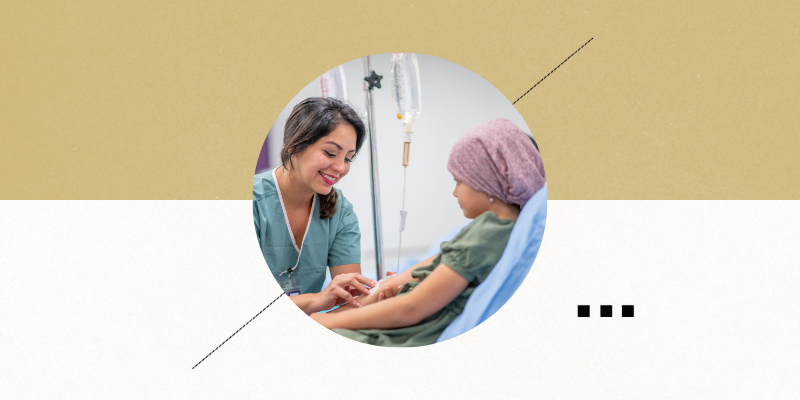
Acute symptoms like pain or vomiting are typically easy to diagnose in a child undergoing cancer treatment, but some of the other effects of cancer and its treatment — like fatigue, cognitive changes, and changes in appetite — are harder to identify and treat in the short span of a clinic visit.
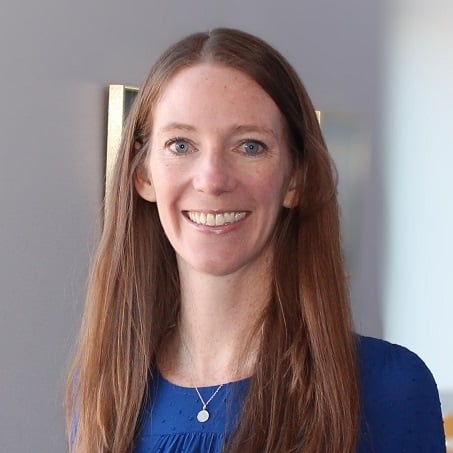
University of Colorado Anschutz Cancer Center member Allison L’Hotta, OTD, OTR/L, PhD, assistant professor of physical medicine and rehabilitation in the CU Anschutz School of Medicine, is aiming to make common cancer symptoms easier for clinicians to recognize — and refer for treatment — by incorporating a self-reported symptom screening tool, connected with a patient’s electronic health records (EHR), into routine clinic visits for pediatric cancer.
“In oncology care, these symptoms are very commonplace, and they're often an accepted component of a cancer journey,” L’Hotta says. “But that doesn't have to be the case, because there are evidence-based interventions we can provide to support these patients and improve quality of life. We're trying to make it easier for teams to know when symptoms are occurring and then to provide support.”
Earlier referrals
L’Hotta recently received funding from the National Cancer Institute to pilot-test what she calls the LISTEN intervention, a clinical and electronic health record integration strategy for symptom screening and management in children undergoing cancer treatment.
“In the first aim of the grant, we're designing what this tool will look like in partnership with clinical teams, patients, and caregivers,” she says. “I'm a pediatric occupational therapist in the cancer center, and with fatigue, for example, one of the recommended interventions is referrals to physical or occupational therapy to support physical activity and energy conservation for fatigue management. We want to make some of those things more automatic within the EHR, so it's easier for clinical teams to take action when a child or teen is experiencing a symptom.”
Self-reported symptoms
When the project reaches the testing phase, pediatric cancer patients or their caregiver will use a symptom screening tool to self-report symptoms either prior to or upon arriving at an appointment. The tool presents 15 symptoms, asking about the patient’s level of bother with each symptom.
“It will ask, ‘How much has feeling tired bothered you yesterday or today?’” L’Hotta says. “The tool uses age-appropriate language, and responses are on a five-point scale for how much it bothers them, from not at all to extremely.”
Based on the responses, which are recorded by the EHR, the goal of LISTEN is to refer the patient to appropriate care for their symptoms during the clinic visit.
“The unique element here is that we're integrating recommended evidence-based interventions into the health record,” L’Hotta says. “The goal is not just to collect information on symptoms — it's to use that information to provide in-the-moment support to the patients and families.”
Levels of intervention
Another part of the design process is creating different tiers of intervention, based on the severity of symptoms. Patients rating symptoms at a two or three may receive a handout on the benefits of physical activity for fatigue, or strategies for integrating higher-calorie foods to counter a decrease in appetite. A four or five rating, on the other hand, might warrant a referral to physical or occupational therapy for fatigue or to a nutritionist for appetite changes.
“Our hope is that by addressing symptoms early on, they have less of an impact on patients’ lives, so they can live well and participate in the activities that they value as much as possible, even while they're undergoing cancer treatment,” L’Hotta says.
“Sometimes people get to us at the point where it's not too late, but we wish we had seen them three months ago. By proactively screening for common cancer symptoms, we can provide support for patients earlier. Our goal is to prevent some of the longer-term impacts of symptoms and help children and teens develop strategies to manage them so they can continue to do the things they enjoy most.”