In most cases, the best way to combat cancer is to catch it early. That’s a lesson that Dan Rathke knows well.
Rathke says that when he went to his doctor with “really bad acid reflux,” he never thought he might have cancer. But his doctor suggested a relatively new screening test, which found indications of Barrett’s esophagus, a precancerous condition that can be a warning sign of an often-aggressive subtype of esophageal cancer called esophageal adenocarcinoma.
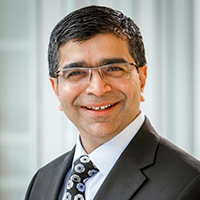
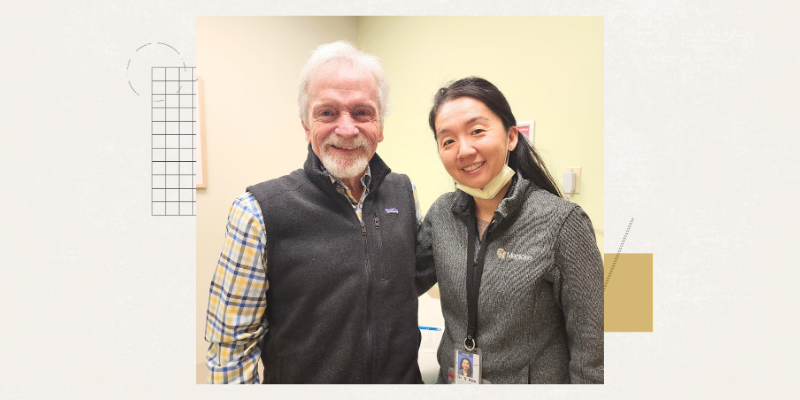
That led Rathke to Sachin Wani, MD, at the University of Colorado Anschutz Cancer Center, who diagnosed Rathke with early-stage esophageal cancer and successfully treated him.
“It was a godsend that my provider had the insight to say, ‘Hey, you should get checked out.’ Thank God I did it, because otherwise I might not be sitting here today,” Rathke says. “And Dr. Wani, he’s a miracle worker. He saved my life. He allowed me to be with my children, to see my grandchildren grow, and to be with my amazing wife.”
Rathke’s case spotlights the value of early screening in catching cancer in time to defeat it, Wani says.
“When you think about poor five-year survival rates, esophageal adenocarcinoma is in the top three cancers that we deal with, the others being liver cancer and pancreatic cancer,” Wani says. “Another disturbing statistic is the fact that less than 10% of our patients with esophageal cancer have had a prior screening done. So we have a long way to go.”
→ Silent Reflux: Even Seemingly Mild Symptoms Can Pose Risk of Esophageal Cancer, Wani Says
His doctor suggests a test
Rathke lives in Colorado Springs with his wife, Robin. They have five adult children between them – four from his first marriage and one from hers, all living in Colorado. They just welcomed their third grandchild.
Rathke spent 20 years in the U.S. Army, including four combat deployments overseas. He recently joined an aerospace and defense company as a purchasing agent.
Throughout his military career, Rathke smoked and used chewing tobacco, he says. While serving in Iraq and Afghanistan, he was exposed to military burn pits, where jet fuel was used to incinerate waste products, often releasing toxic plumes.
In 2023, Rathke was experiencing heartburn severe enough that it woke him up at night. He went to see his local primary care doctor, who told him he had gastroesophageal reflux disease (GERD), when stomach acid repeatedly flows into the esophagus, the tube connecting the mouth to the stomach. GERD is a risk factor for esophageal cancer.
“I had no problem swallowing or eating,” Rathke says. “All I had was really bad acid reflux. It never dawned on me that it could cause cancer.”
Meanwhile, his primary care doctor had been approached by Lucid Diagnostics to see if she had patients who might be suitable for its rapid screening system for Barrett’s esophagus and esophageal adenocarcinoma, and she recommended it to Rathke.
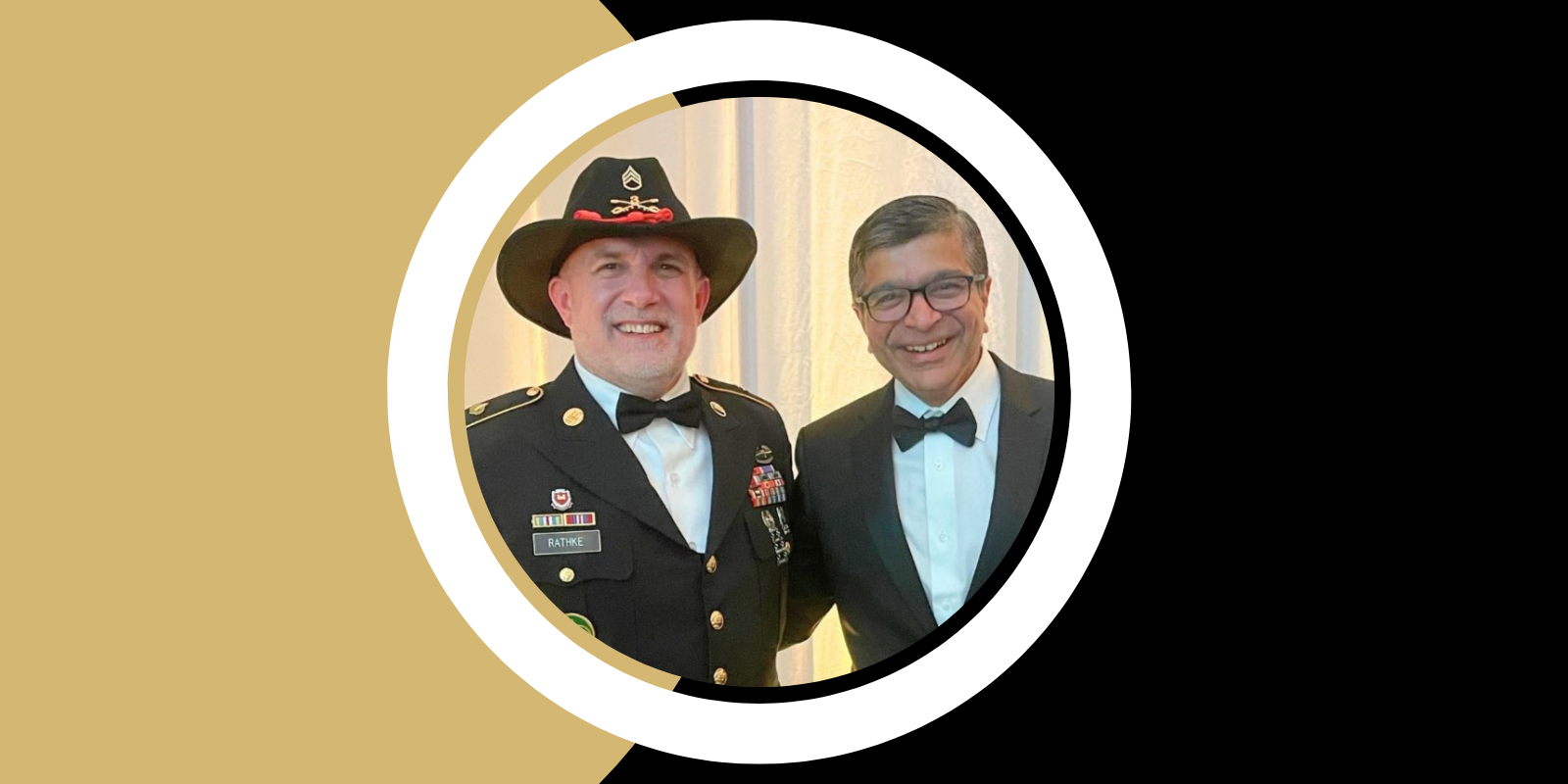
Photo at top: Dan Rathke and Sachin Wani, MD, at the CU Benson Society Gala fundraiser in April 2025. Photo provided by Dan Rathke.
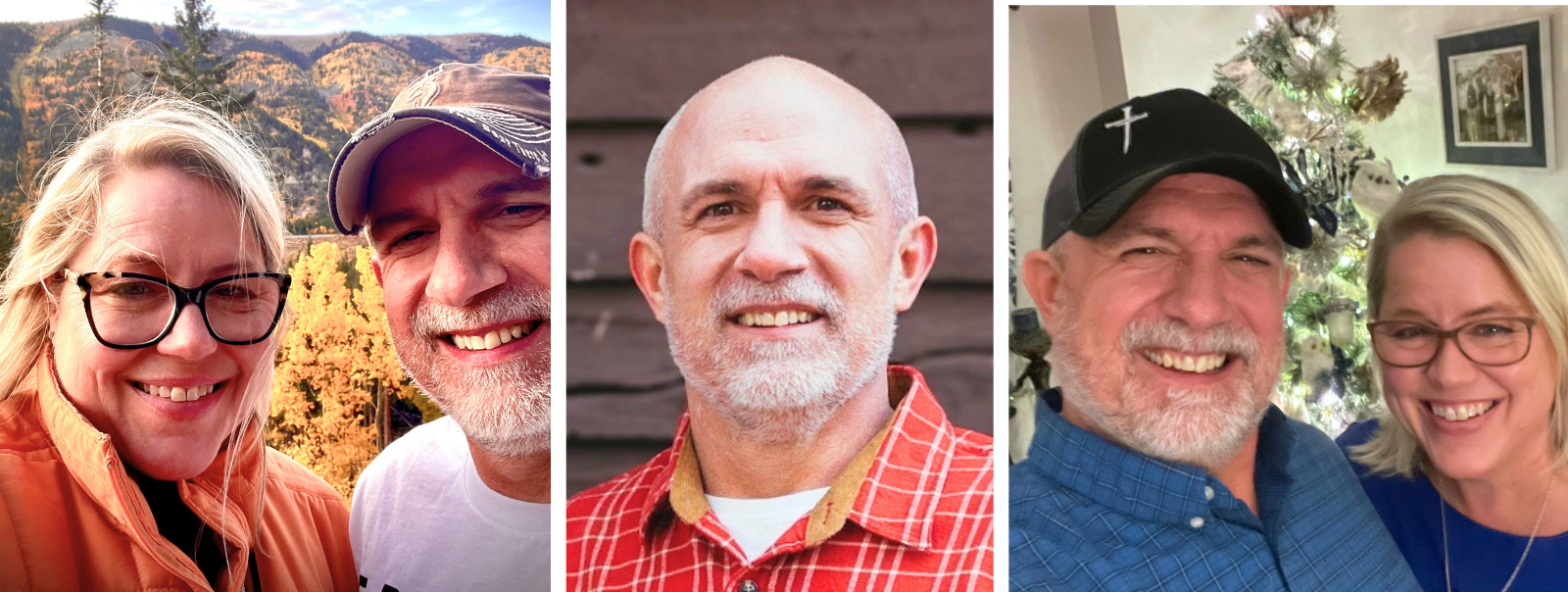
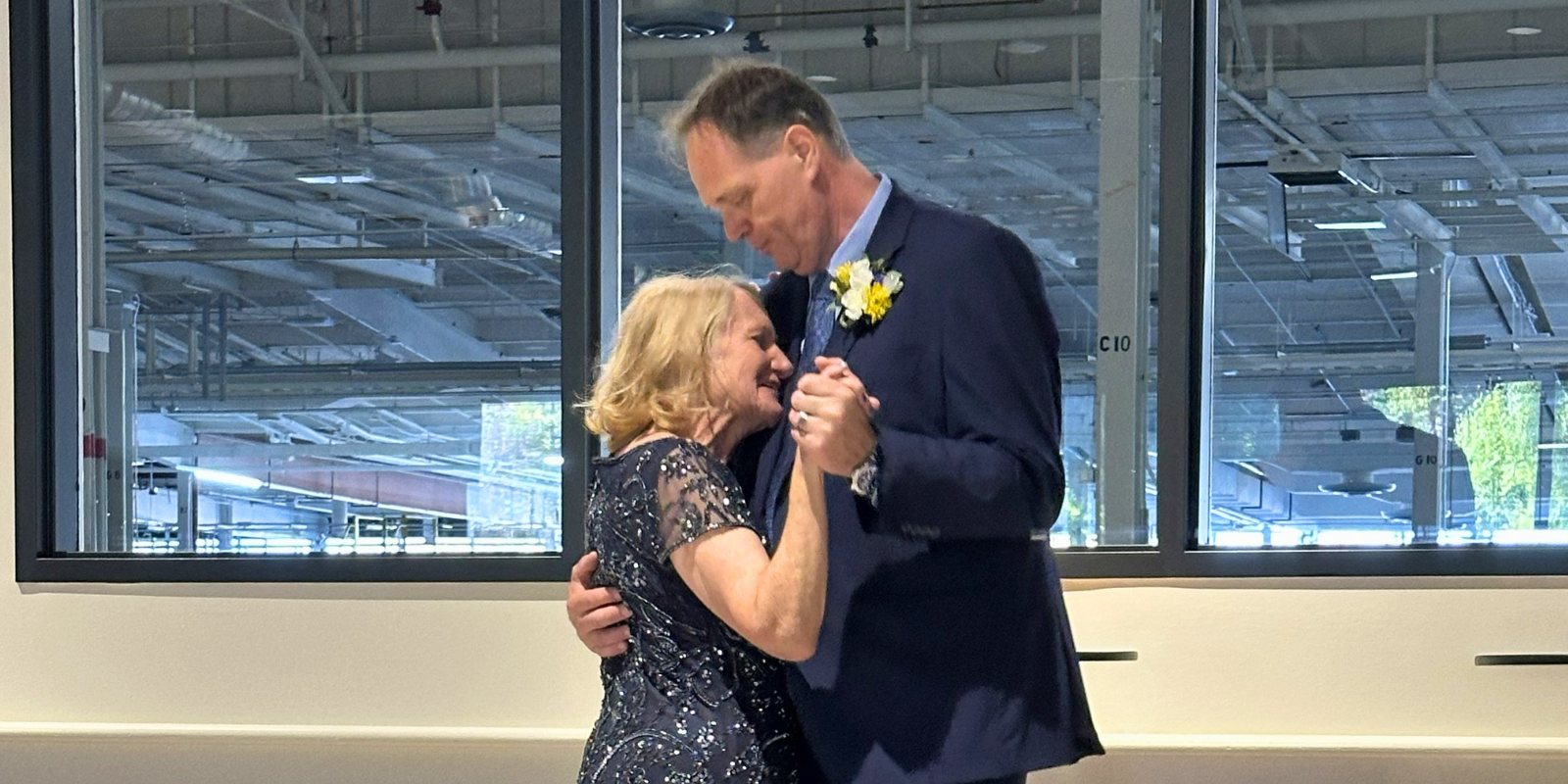
Dan Rathke and his wife, Robin. Photos provided by Dan Rathke.
A balloon collects cells
Lucid’s system includes EsoCheck, a small capsule attached to a thin catheter that a patient swallows. Once in the stomach, a balloon inside the capsule is inflated, and the balloon – which has a textured surface – rubs against the lining at the base of the lower part of the esophagus and gathers cells for testing. The balloon is then deflated and is extracted from the patient’s mouth. The process takes a few minutes in a doctor’s office.
Then, a DNA lab test, called EsoGuard, is used to analyze the collected cells for methylated DNA markers.
The EsoCheck/EsoGuard system is one of a growing number of non-endoscopic cell-collection technologies in use or now under development. They don’t involve endoscopy, a more invasive, time-consuming, and often more expensive procedure that usually involves sedation. If a patient tests positive, endoscopy generally is the next step.
At first, Rathke was hesitant about taking the test. “My first thought was, how invasive is it? My doctor said, ‘It's not invasive at all.’ And my wife said, ‘Just go do it.’”
Rathke’s test results showed abnormal cells. He went to see a local gastroenterologist for a more definitive endoscopy. “He said that I had some lesions that looked like Barrett's esophagus,” Rathke says. Barrett’s can arise with chronic GERD.
→ Researchers Develop AI Tool to Predict Barrett’s Esophagus Recurrence After Therapy
.png?width=1600&height=1000&name=EsoGuard%20(1).png)
Illustration shows the EsoCheck screening device in the esophagus above the stomach. Inset mage: A close-up of the EsoCheck balloon. Images: Lucid Diagnostics.
‘You’re good’
The GI doctor referred Rathke to Wani, a leading expert in both Barrett’s and esophageal cancer, at CU Anschutz. Wani is a professor in the CU Anschutz Department of Medicine’s Division of Gastroenterology and Hepatology. He holds the Katy O. and Paul M. Rady Endowed Chair in Esophageal Cancer Research and is executive director of the CU Anschutz Cancer Center’s Rady Esophageal and Gastric Center of Excellence.
“I went up there in January 2024, and what was supposed to be a 45-minute appointment turned into over four hours,” Rathke says. “My poor wife was freaking out, wondering what was going on.”
Says Wani: “We performed endoscopic mucosal resection to remove the suspicious area within the Barrett’s segment” of Rathke’s esophagus. The tissue was sent to pathology for testing.
Wani had found and removed T1a esophageal adenocarcinoma, a type of esophageal cancer that’s confined to the top layers – the mucosa – of the esophagus. It had not yet spread to deeper tissue, lymph nodes, or distant organs, which would have meant a poor outlook.
“When my wife and I saw the pictures of what Dr. Wani had removed, we became a little worried,” Rathke says. “But when the report came back, Dr. Wani called me personally and said, ‘You’re clear. There was no deep tissue cancer. You’re good.’”
After the procedure that removed all the visible cancer, Rathke was scoped again every few months for the first year, during which Barrett’s esophagus was ablated until it was all eradicated. He is now undergoing annual endoscopies to check for recurrence.
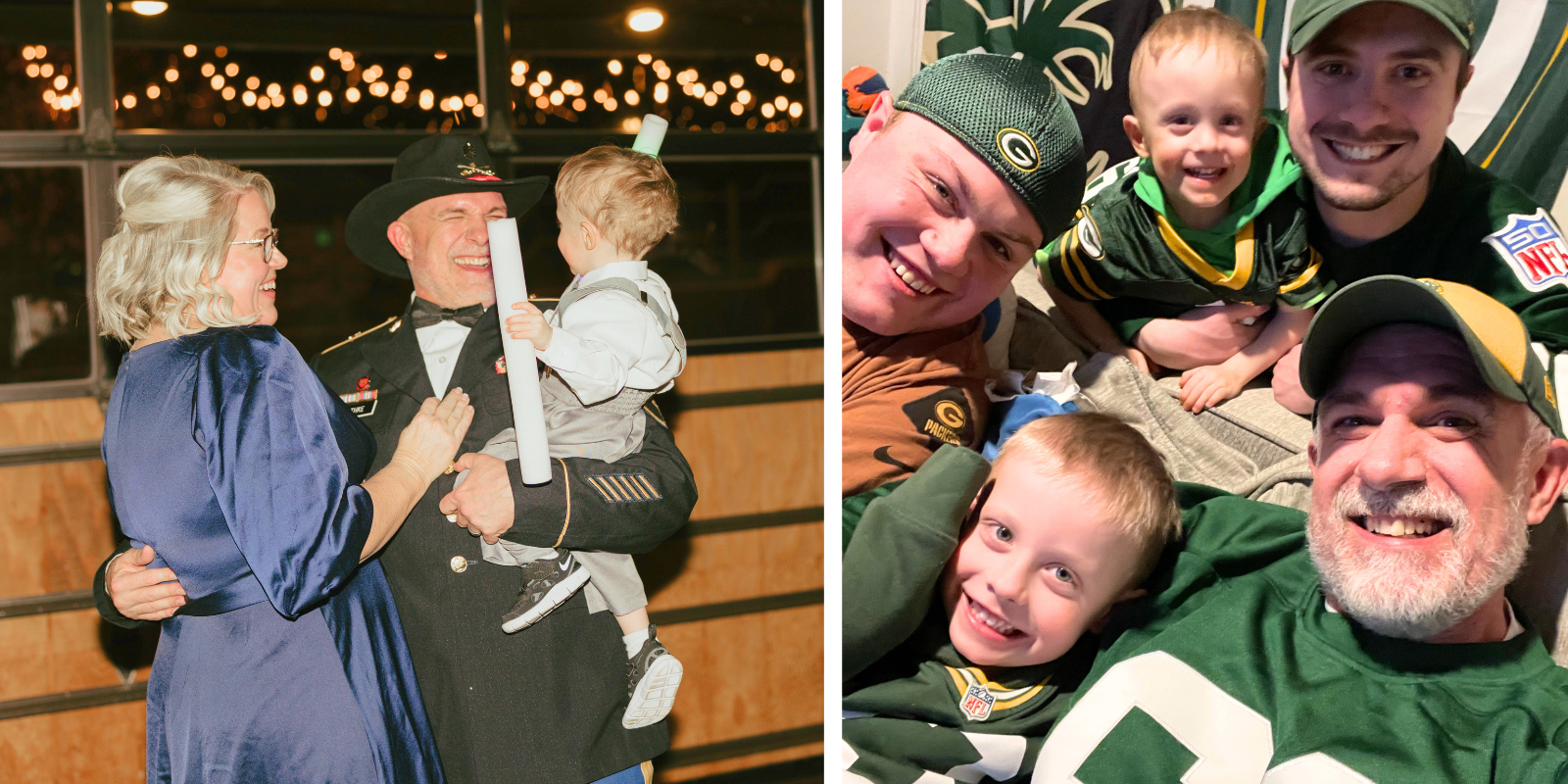
Family photos provided by Dan Rathke.
Peace of mind
Wani is the Colorado site principal investigator under a five-year National Cancer Institute (NCI) grant to conduct clinical trials of EsoCheck and EsoGuard. He and his colleagues currently are looking at how well the test performs when administered to patients who don’t have the sort of classic reflux symptoms that Rathke had, a group that accounts for about 40% of patients ultimately diagnosed with esophageal adenocarcinoma.
Wani and his team are also evaluating other non-endoscopic tests for precancerous conditions, including one that involves a sponge encased in a capsule to collect cells, and another employing a string device.
Screening technologies that are more accessible to patients will help to raise screening rates, Wani says.
“When you screen, you save lives, as simple as that. We have to bring about a fundamental change in the way we are screening, to ensure that folks get screened using strategies that are effective, efficacious, and cost-effective as well. These non-endoscopic cell collection devices have the potential to bring about a paradigm shift in screening. You screen people using these non-endoscopic strategies, and if they’re positive, then those patients undergo an upper endoscopy to confirm the presence of Barrett’s, Barrett’s-related dysplasia, or cancer. If you're negative, you have peace of mind.”
It will also take “collaborative efforts with primary care physicians” to get more people screened, Wani adds. “They are the gatekeepers seeing all these individuals who are at risk. Without their collaboration and support, we will not be able to make a difference.”
He notes that the CU Anschutz Cancer Center is “one of the first few centers in the country that offers a screening clinic in collaboration with our primary care physicians for Barrett's and esophageal cancer.”
→ A Major Study Examines Endoscopies that Fail to Detect Esophageal Cancer
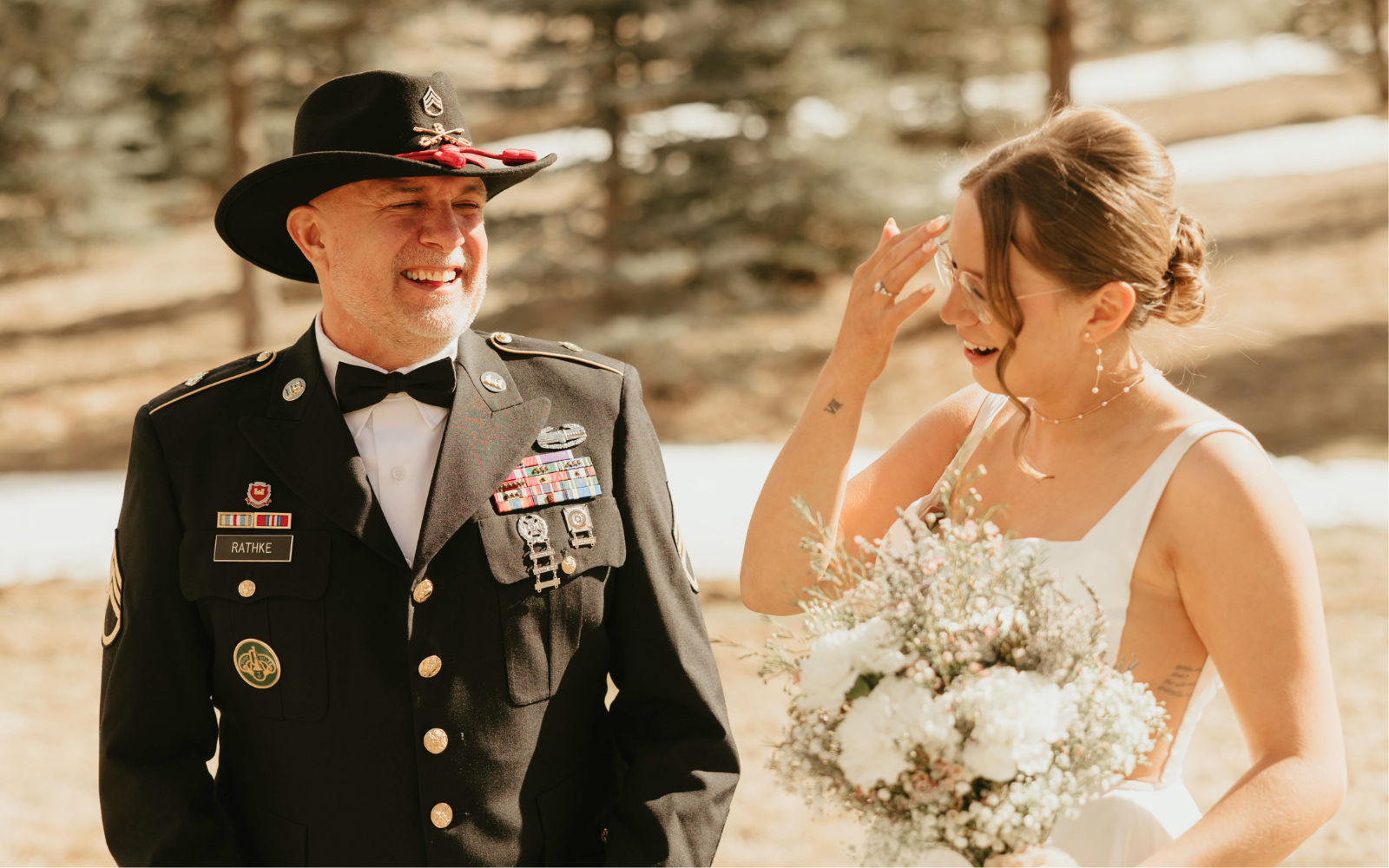
Dan Rathke at the wedding of his daughter Ashleigh McKinney, 13 months after his surgery. Photo provided by Dan Rathke.
‘An exciting time’
Since his successful treatment, Rathke has been in demand as a spokesman for cancer survivors, serving as a guest speaker at a symposium, being interviewed on television, and appearing at a CU Benson Society Gala fundraiser in April 2025.
He says he weighed about 255 pounds before his diagnosis, and “at that point, I decided I should start taking better care of myself.” He now weighs 175 pounds and says, “I feel really good.”
Rathke’s advice for anyone else worried about cancer: “Don’t be afraid to get screened. You don’t know until you know. Get it done.”
Wani says that, thanks to emerging screening technologies, “this is an exciting time for us because of the opportunity we have to make a difference in the lives of patients. The field is moving in the right direction.”
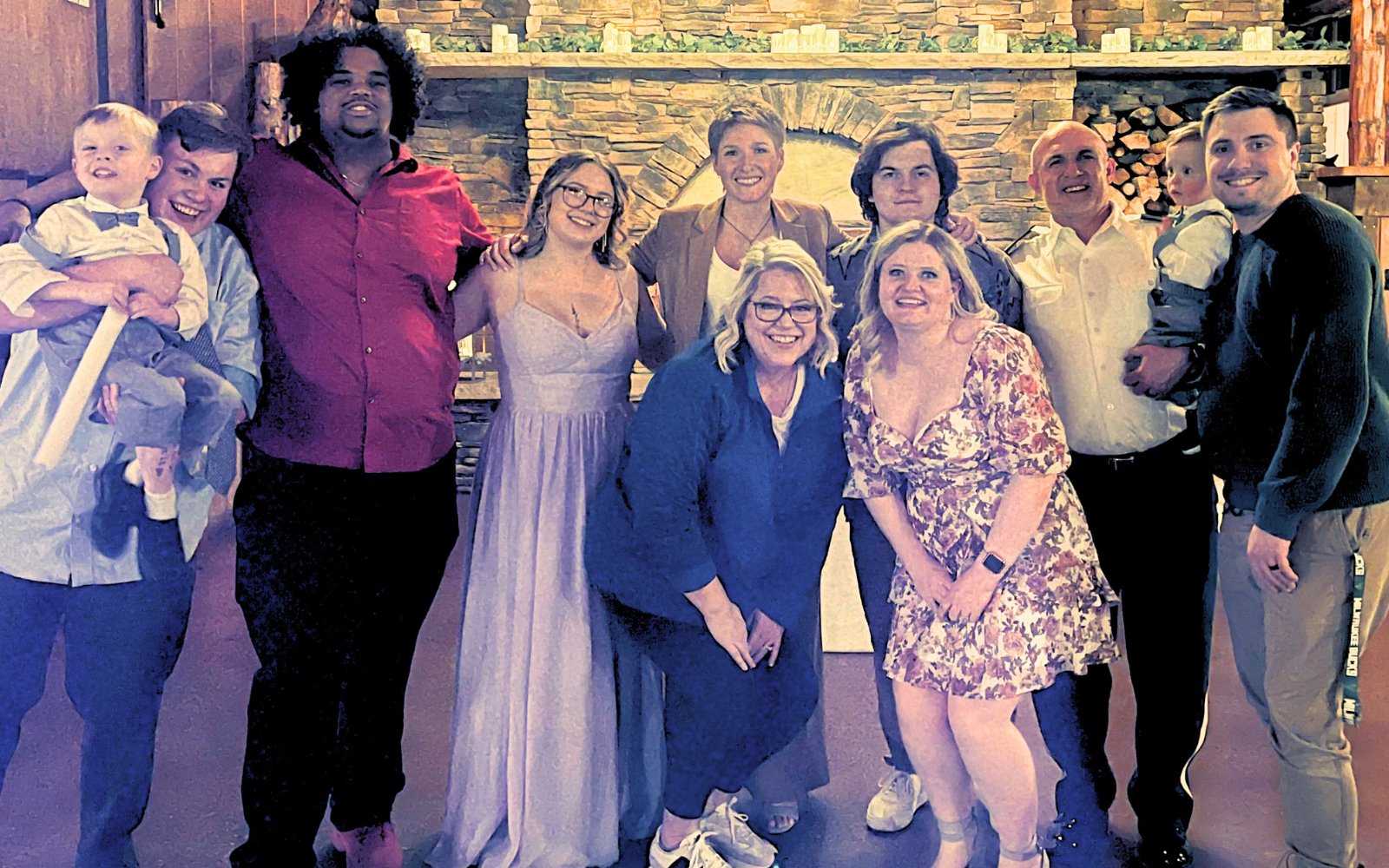
Dan and Robin Rathke with several of their children, spouses, and grandchildren. Photo provided by Dan Rathke.