For most causes of death and injury, clinical trials are considered essential for advancing evidence-based prevention and treatment strategies. All new, federally-approved therapies for cancer and other deadly diseases have undergone human clinical trials on volunteers to test their safety and effectiveness.
|
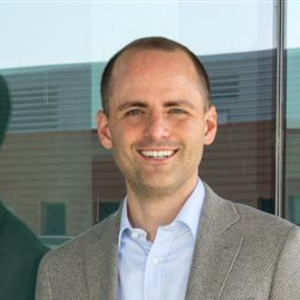
But the situation is different for one leading cause of death. Every day, about 134 people in the United States die by suicide, and suicide death rates have been trending upward for many years. Yet there are relatively few clinical trials studying suicidal thoughts and behaviors and how to reduce suicide risk, says Ian Stanley, PhD, a clinical psychologist and an expert on suicide prevention in the University of Colorado Anschutz Department of Emergency Medicine.
For one thing, he says, “there's historically been less funding for suicide prevention research. Another challenge is that people at elevated risk for suicide are often excluded from the very studies that could help us understand how to reduce that risk. Some of that comes from researchers or institutional review boards” – the independent committees that assess the ethics and safety of proposed studies – “being overly cautious.”
Stanley cites examples: “Consider a trial that's testing a medication for depression, or a psychotherapy to prevent PTSD. Historically, many of these studies have excluded anyone who's had either recent suicidal thinking or a history of suicide attempts, and so we don't know as much about whether those treatments work for people at elevated suicide risk.”
In some cases, he says, “studies like that just don't happen to begin with. Someone could think, ‘I want to test this medication or that therapy, but it's too unsafe to include someone who's having these thoughts.’”
There’s a common perception that suicide-focused research projects are prone to “ending or collapsing because some extraordinary safety crisis happens in the course of the research,” he adds.
That’s what prompted a new study led by Stanley, an associate professor at CU Anschutz Emergency Medicine, in collaboration with several CU Anschutz colleagues. A research letter on the study was published recently in the journal JAMA Network Open.
In Stanley’s view, the study’s findings push back on the assumption that suicide research is inherently too dangerous or unworkable to complete. “That’s not what we found at all.”
→ CU Anschutz Hosts a Forum on Firearm Suicide Prevention in the Military
1,205 clinical trials examined
Stanley is psychological health lead at the CU Anschutz Combat Medicine Research Center and director of the Translational Research to Understand Suicide and Trauma (TRUST) Lab.
Stanley and his colleagues wanted to find out how often suicide prevention research studies get stopped early, and whether that happens more often because of risk to people being studied.
They searched ClinicalTrials.gov, the federal database of clinical trials, for all suicide-related studies registered between 1990 and April 2026. They looked at each study's status and, for the ones that stopped early, examined the reasons researchers gave.
They found that out of 1,205 suicide prevention trials in the registry, 48% had finished, 33% were still ongoing, and 11% were of unknown status. Only 7.6% were found to have been discontinued early – on the lower end of the discontinuation rates seen for other areas of medical research.
The review identified only four out of 1,205 suicide prevention studies that were stopped for safety-related reasons – and that was because of a temporary shutdown of all such research at one institution after a participant in an unrelated trial died by suicide, triggering a federal review of that institution's study oversight practices.
Far more often, the studies were discontinued for unrelated reasons that frequently crop up in medical research, such as trouble recruiting enough participants (about 29%), funding problems (about 20%), the departure of the lead researcher (about 9%), and COVID-19 disruptions (about 8%).
Encouraging findings
Stanley’s study did not identify a single suicide prevention trial out of 1,205 in the sample that was stopped because of safety problems that arose specifically within a study’s own protocol.
Stanley and his co-authors say this finding supports investing more in fine-tuning how participants in suicide prevention trials are recruited and in more thoughtful oversight of studies rather than shying away from this type of research altogether.
A more robust slate of clinical trials in the suicide prevention space might help improve what medicine calls treatment matching, Stanley says.
“We don't have a good sense of which treatment will work specifically for which person in mental health generally, and that is also true for folks who are experiencing suicidal thoughts. Suicidal thoughts are not monolithic, and treatment matching has been hampered” by a shortage of trials, he says.
“The encouraging finding from this analysis is that suicide-prevention research is feasible to conduct ethically,” Stanley says. “It doesn’t mean there’s zero risk, but there's an opportunity for us to anticipate risk, manage and mitigate it responsibly, and get treatments into the hands of people who need it. When I think back, any major advance in medicine came because we were willing to tackle a difficult problem carefully. Suicide prevention research shouldn't be an exception to that.”
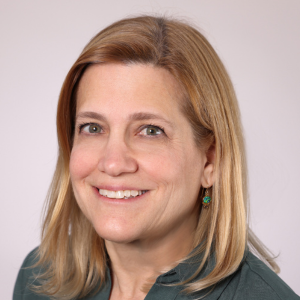
Lisa Horowitz, PhD, MPH, a clinical psychologist and director of Suicide Prevention and Hospital-based Research at the CU Anschutz Department of Psychiatry, was a co-author on the study. She also found the data to be encouraging.
“It is critical to prepare research studies to thoughtfully and safely include individuals at risk for suicide, and our analysis shows that it is feasible to do this,” she says. “Would we exclude cancer patients from chemotherapy trials because someone might die from cancer? Of course not. We need research to improve suicide care and save lives.”
Other study authors include Stanley’s CU Emergency Medicine and Combat Center colleague Corey Bills, MD, MPH; and research professionals Hannah Libby, BS, and Julia Finn, MPH.
→ CU Summit Highlights Importance of Military Family Engagement in Firearm Suicide Prevention