Can I eat eggs, should I take supplements and what diet do you recommend? Those are among the questions Steven Simon, MD, fields most often. While he’s not a weight-loss specialist, shedding a few extra pounds can make a difference in reaching the goals his patients seek.
Simon is a cardiologist and co-director of the Cardiometabolic & Advanced Lipid Clinic at the University of Colorado Anschutz, so he hears many questions about how to lower cholesterol – a waxy substance necessary for health that can cause deadly plaque buildup in the arteries in excess.
For most people, tweaking some daily habits could help keep their cholesterol levels and their heart health in check. Below, Simon shares his top advice.
Key points:
- Swapping foods (olive oil instead of butter, nuts instead of chips) can significantly lower LDL cholesterol.
- Some supplements might help lower cholesterol (omega-3s, berberine, red yeast rice, certain probiotics) but should be used with medical guidance.
- Both strength training and cardiovascular exercise can lower LDL and triglycerides and raise HDL, reducing cardiovascular risk.
- Prescription medications may be necessary, especially for people with genetic cholesterol disorders or high cardiovascular risk.
1) Rethink food choices
Small diet changes can make a big difference in cholesterol levels for most people. In fact, Simon advises his patients who ask him for a prescriptive cholesterol-lowering diet to try food swapping first.
“Many of the patients I see are eating red meat every day,” Simon said. While some red meat has its nutritional benefits, substituting other protein sources three or four times a week can lower saturated fat and LDL (low-density lipoprotein), he said.
Protein-rich foods with omega 3 fatty acids (fish, walnuts, flaxseed) can even help lower triglycerides, and some plant-based proteins (soy, legumes, whey) can lower LDL. Eggs, despite their cholesterol-heavy yolks, are also a good protein source substitute for most people, Simon said.
“What's more important than dietary cholesterol, at least for lowering LDL levels, is saturated fat intake. For the vast majority of people, the cholesterol content in eggs is not going to make a major impact on their serum cholesterol.” Simon will test his serious egg lovers with high cholesterol levels to make sure they fall in that majority.
Other small daily changes can include:
- Substituting olive oil for butter when cooking.
- Eating nuts instead of chips when snacking.
- Replacing juice or soda with water or carbonated water.
- Adding soluble fiber (oatmeal, bran, apples), which can reduce absorption of cholesterol into the blood stream, lowering lipid levels.
-
Eliminating ultra-processed foods and trans fats from diets.
For people who still prefer a prescriptive diet, Simon said the Mediterranean and DASH diets have cholesterol-lowering data.
2) Add supplements if needed
Some supplements are recognized for potentially lowering blood lipids, notably:
-
EPA (eicosapentaenoic acid) and DHA (docosahexaenoic acid), which are both omega-3 fatty acids that can be found in over-the-counter fish-oil supplements.
“Those are appropriate for some people, depending on what you are optimizing for,” Simon said. “While they can lower triglycerides, some people can actually have an increase in their LDL cholesterol with fish-oil supplements.”
-
Red yeast rice, a fermented rice product that contains the active ingredient on which today’s cholesterol-lowering statin medications were based.
“It will lower LDL cholesterol, and reasonably so,” Simon said. But there’s one caveat. “We generally say, if you're going to do that, you might as well take a statin medication, because the difference between prescriptive medications and over-the-counter supplements is you actually know what you're getting.”
-
Berberine, a compound found in some plants such as European barberry, goldenseal and tree turmeric that have been used for years in Ayurvedic and traditional Chinese Medicine.
Berberine has recently gained popularity as a potential weight-loss aid. “It has also been shown to be effective at lowering cholesterol and blood sugar,” Simon said. “And, as far as what I've seen, it's generally safe.”
-
Probiotics, particularly Lactobacillus acidophilus and Bifidobacterium lactis.
Probiotics have also been shown in some studies to lower cholesterol levels in the blood, he said.
When taking over-the-counter dietary supplements:
- Always work with a healthcare provider when experimenting with supplements, just as you would with prescription medications.
- Look for these reputable organizations on supplement labels: U.S. Pharmacopeia (USP); Consumer Labs (CL); Good Manufacturing Practices (GMP); or the National Sanitation Foundation (NSF).
3) Exercise regularly
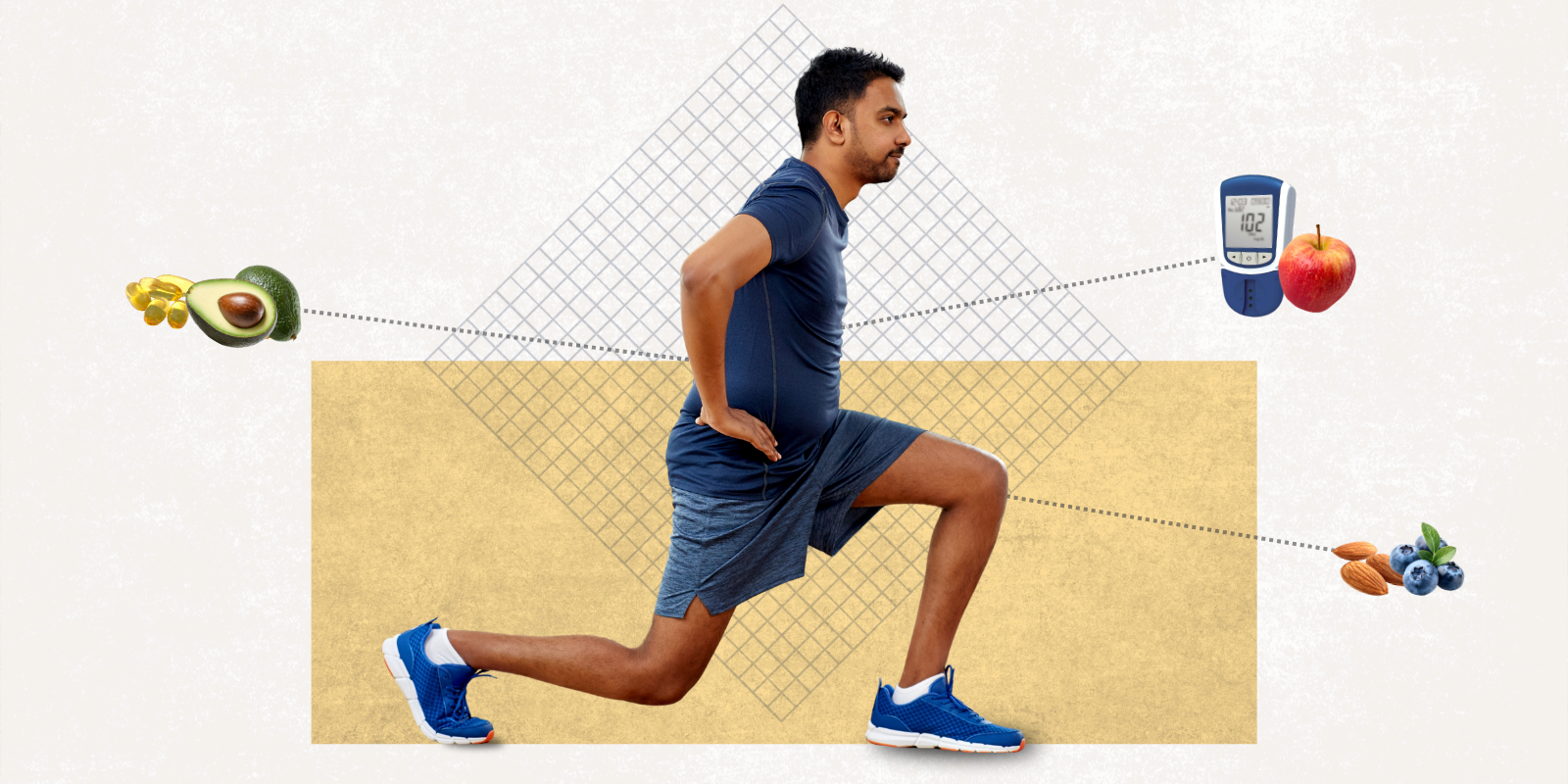
If he had only one medicine he could prescribe patients, it would be exercise – both strength training and cardiovascular, Simon said.“ Both types of exercise are extremely important, not only for improving cholesterol profile, but just prevention of cardiovascular disease in general.”
-
Strength training: By improving body composition and boosting muscle mass, strength training increases insulin sensitivity, he said. With higher insulin sensitivity, cells absorb blood sugar more efficiently, stabilizing levels and lowering risk of chronic disease.
-
Cardiovascular exercise: As its name implies, cardiovascular exercise is especially heart healthy, lowering triglycerides and LDL cholesterol, increasing HDL (high-density lipoprotein), or “good” cholesterol, and improving insulin sensitivity.
4) Lose excess weight
While exercise can also help, in part, by decreasing body weight, losing excess weight (separate from diet and exercise) can lower LDL cholesterol and triglycerides and improve insulin sensitivity, Simon said.
5) Quit smoking
Smoking lowers good HDL, while increasing bad LDL and triglycerides, Simon said. “But it also causes a lot of arterial inflammation, which damages the arterial walls and makes the arteries more prone to cholesterol buildup.” The combined side effects raise the risk of heart attack and stroke.
6) Drink alcohol in moderation
Alcohol increases LDL and can boost triglyceride levels significantly. “So if someone has high triglycerides, alcohol is really awful and my recommendation to them would be to avoid it entirely,” Simon said. For people who do not have high triglycerides, Simon advises moderation. “I'm in the less-than-seven drinks in a week category.”
7) Check for interactions
Thyroid, kidney and liver disease can cause increases in cholesterol levels, as can certain medications, such as birth control pills, retinoids, corticosteroids, antivirals, anticonvulsants and diuretics.
By the numbers
- An estimated 10% of adults 20 and older and 7% of U.S. children and adolescents 6 to 19 have total cholesterol levels above 240 mg/dL (high).
- About 1 in 300 people have familial hypercholesterolemia, a genetic disorder that causes increased levels of LDL.
Source: Centers for Disease Control and Prevention
8) Take therapeutic drugs if needed
Especially for people with a genetic predisposition (whose cholesterol is elevated despite lifestyle changes), medications are often needed, Simon said.
-
Statins help decrease the production of cholesterol. About 10% to 20% of people do not tolerate statin medications. The most common side effect is muscle aches and pains.
-
Bempedoic acid is an alternative for those with muscle side effects with statins. “It has to go to the liver to be activated and therefore doesn't act on the muscles and cause the aches and pains we can see with statins.”
-
Ezetimibe and related medications block cholesterol absorption.
-
PCSK9 inhibitors, injectable medications, increase receptors on the liver to remove LDL cholesterol from the bloodstream. “We're using a lot more of those now, both for people who have had, or are at, high risk of having heart attacks and strokes.”
-
GLP-1 receptor agonists, now popular for weight loss, are also options for patients who have high cholesterol with type 2 diabetes or obesity. Both tirzepatide and semaglutide have been shown to low LDL and triglyceride levels.