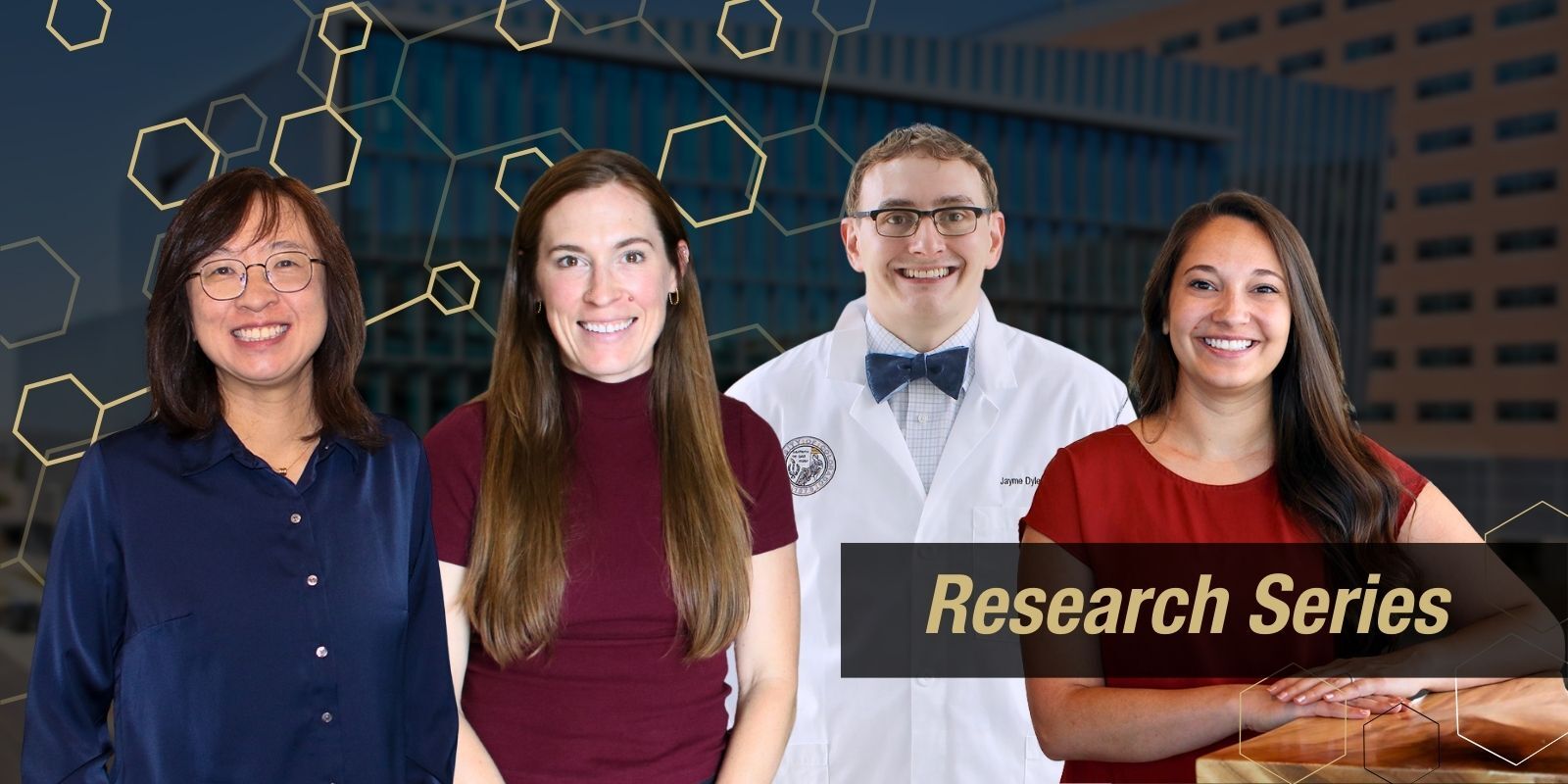
Across the University of Colorado Anschutz School of Medicine — in basic science labs, clinics, and classrooms — researchers are working to solve many health mysteries.
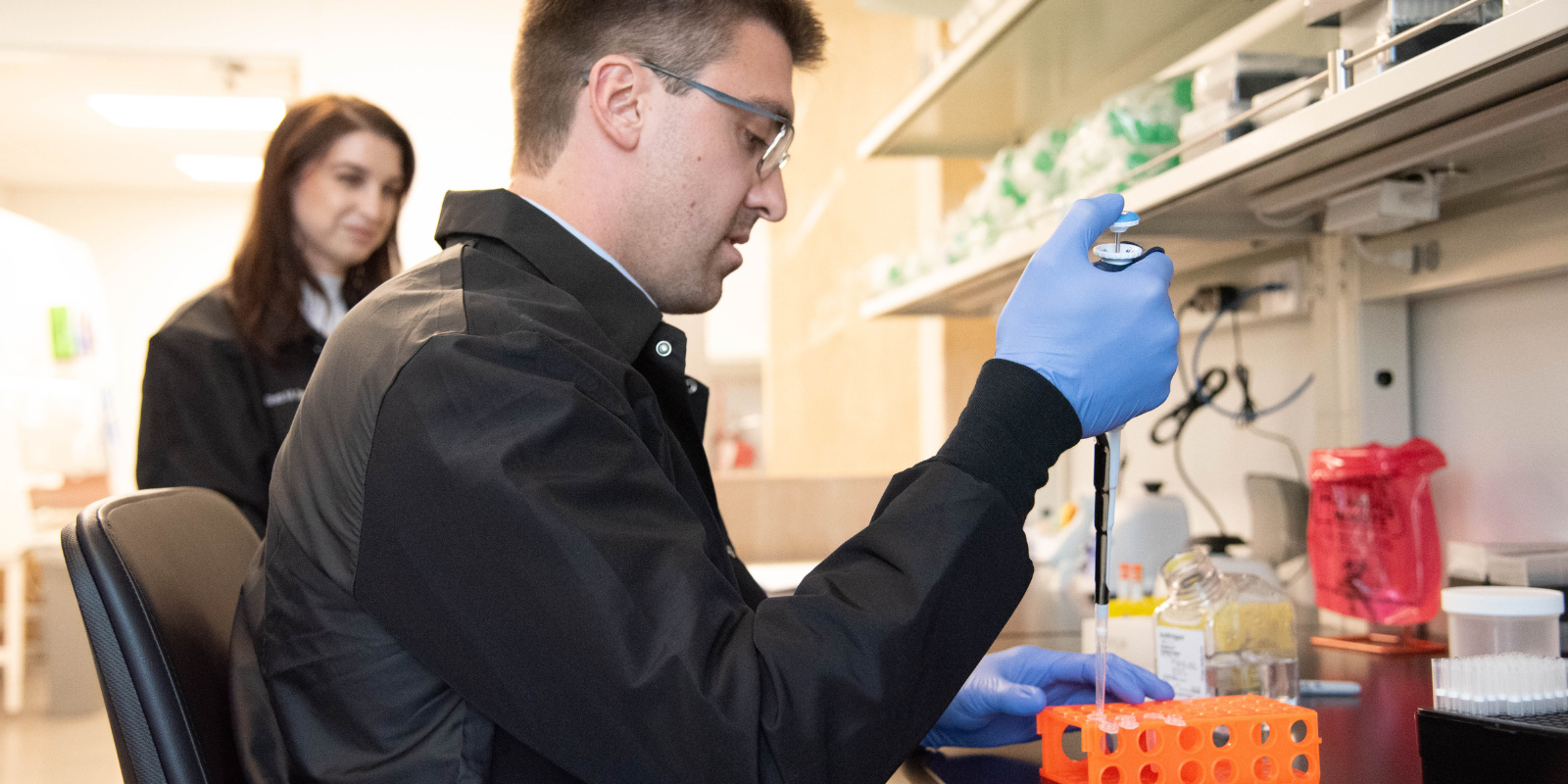
For some, like Kyla Ost, PhD, that means studying tiny microbes to understand how they work and why they can sometimes cause serious intestinal disease. For others, the research requires recruiting patients into clinical trials, taking samples, and gathering data. Nephrologist James Dylewski, DO, works with colleagues across the country to study rare kidney diseases in hopes of finding better treatment options for his patients. Others are using artificial intelligence (AI) to analyze mountains of data to unlock the next best treatment for uncurable diseases.
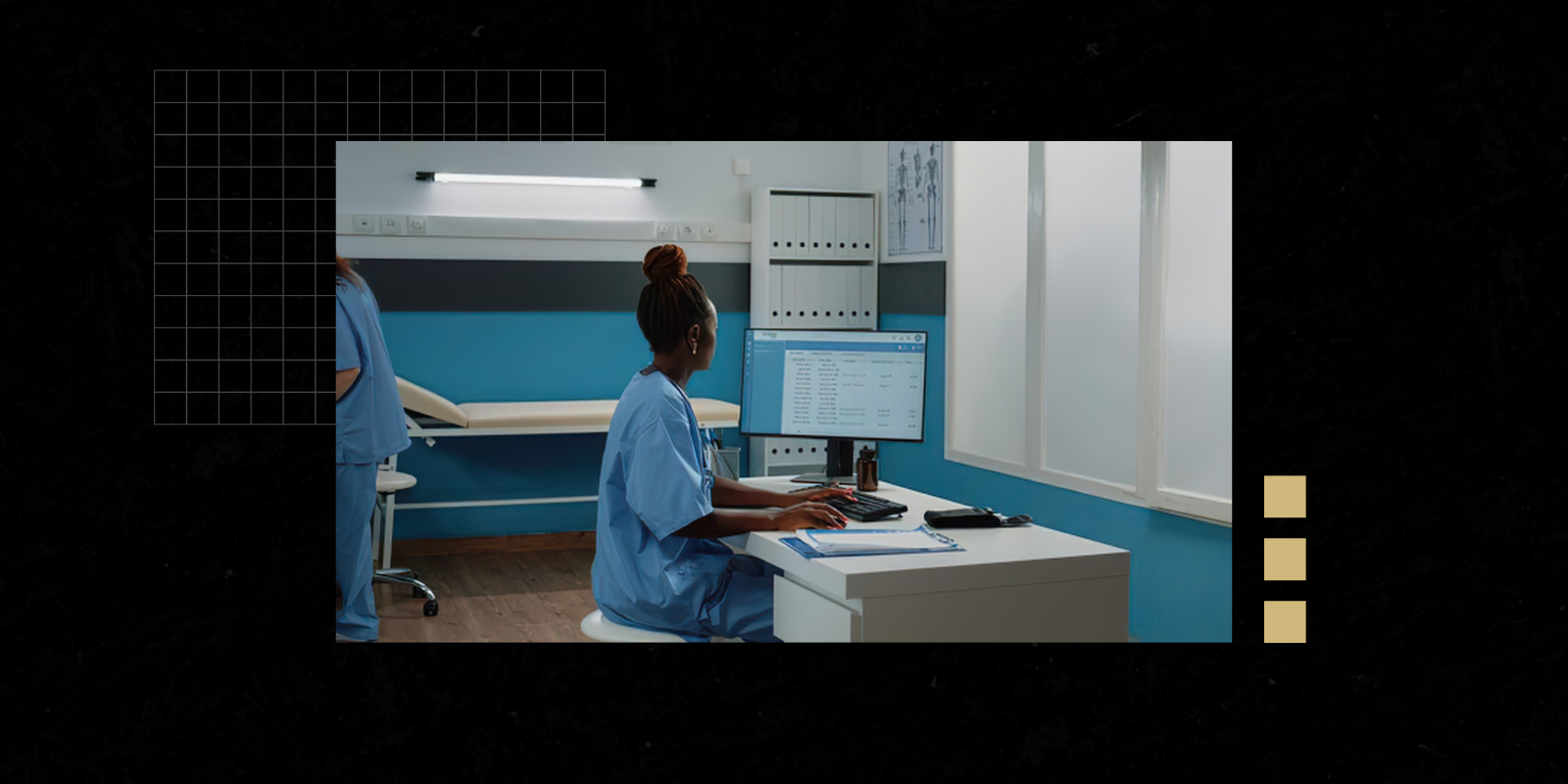
Students and trainees are also at the forefront of crucial research. Jessica Clawson, MD, a third-year resident, is investigating how to keep hospitals efficient for the sake of providers and people seeking care.
In 2024, researchers on the CU Anschutz Medical Campus, many within the CU School of Medicine, attracted more than $750 million in sponsored research funding, a 7% increase from the prior year. The campus boasts over 800,000 square feet of laboratory space, more than 3,800 active clinical trials, and approximately 14,000 people enrolled in research studies.
Adit Ginde, MD, MPH, interim senior associate dean for clinical research at the CU School of Medicine, says these figures are a nod to the powerful work CU Anschutz researchers are doing, but the real mark of success is in the discoveries.
“We're here to make a difference in human health and make an impact on patient lives. Funding is a key measure, but at the end of the day our goal is to do high impact research that is meaningful to our patients and communities,” says Ginde, who himself has led several clinical trials as a professor in the Department of Emergency Medicine.
“The pipeline — from the bench to bedside — is critically important because in the clinical research realm, we stand on the shoulders of all the great discovery work that’s happening in labs across this campus,” he continues.
That work can have tremendous impact, both short and long term.
“In the clinical trial zone, which is toward the culmination of the scientific journey, a lot has already gone into getting to a clinical trial,” Ginde says. “Often, we’re providing care to the participants while conducting the research. These clinical trials allow access to treatments, devices, drugs, and therapies that would not otherwise be accessible without the trial. And in doing so, we are also making a final assessment of whether it’s effective and safe in treating or preventing the condition.”
That work can go on to impact countless more lives.
Through this series of stories about the CU School of Medicine’s research community, faculty members, students, and research staff offer a peek into their work and the impact it’s having today and what it may help accomplish tomorrow.
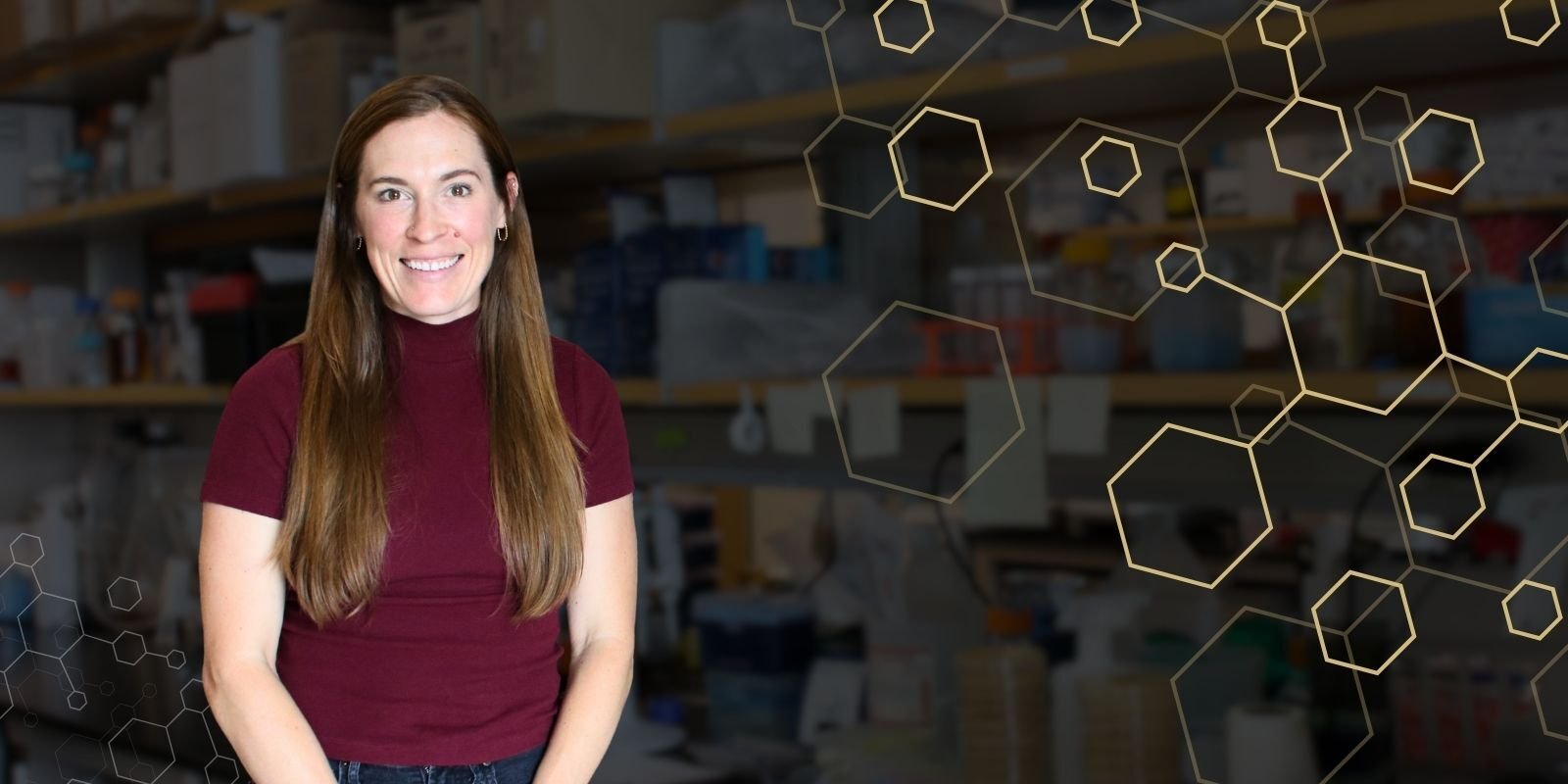
Investigating the ‘Dark Side’ of Microbes in the Ost Lab
A healthy gut microbiome is a balancing act, but things can go awry. Kyla Ost, PhD, and her lab want to know the mechanisms that make that so.
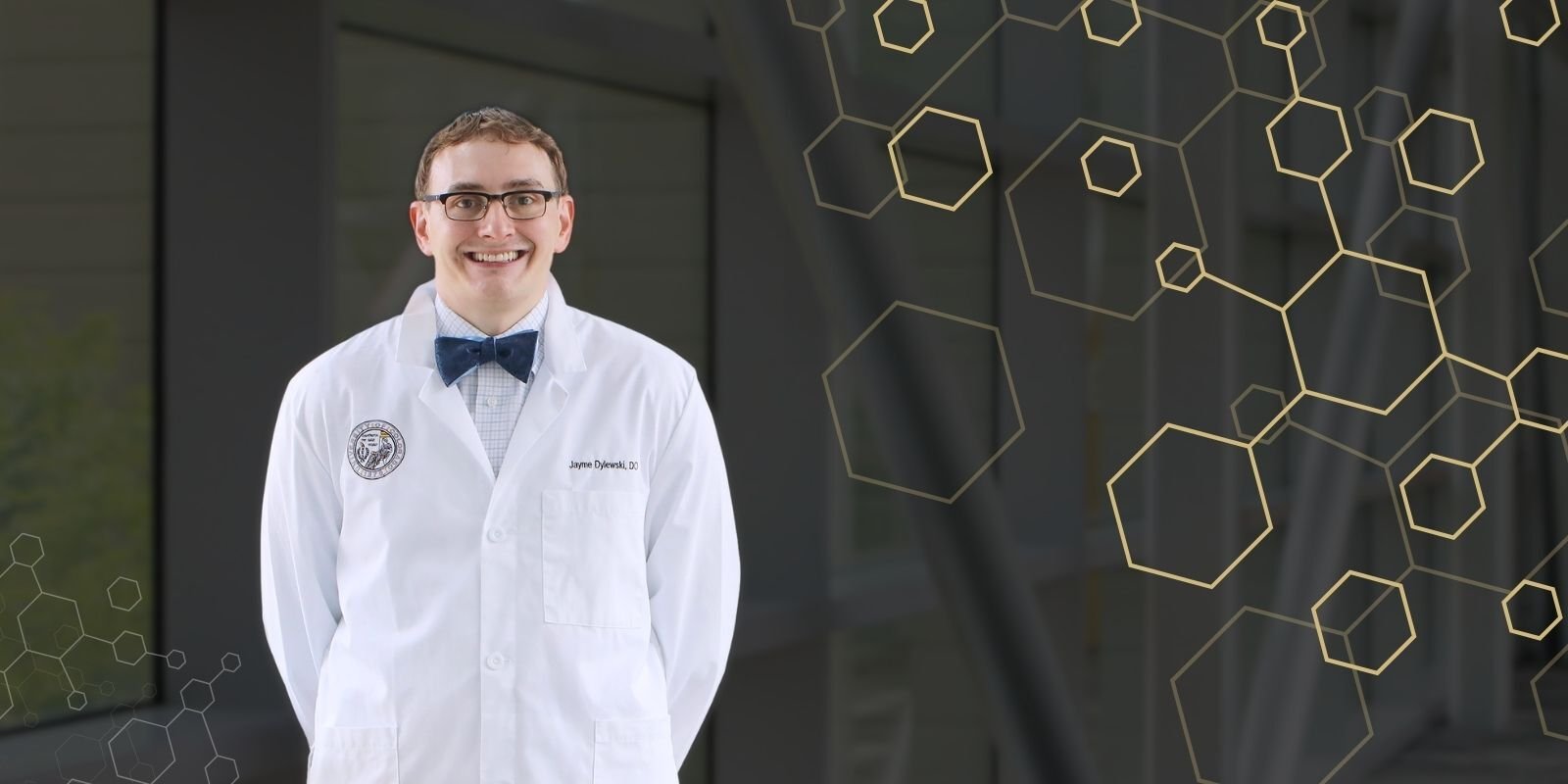
A Clinical Study at the Forefront of Investigating Rare Kidney Disease
NEPTUNE, a multi-site clinical study, brings together different types of researchers to learn more about what drives some types of kidney disease.
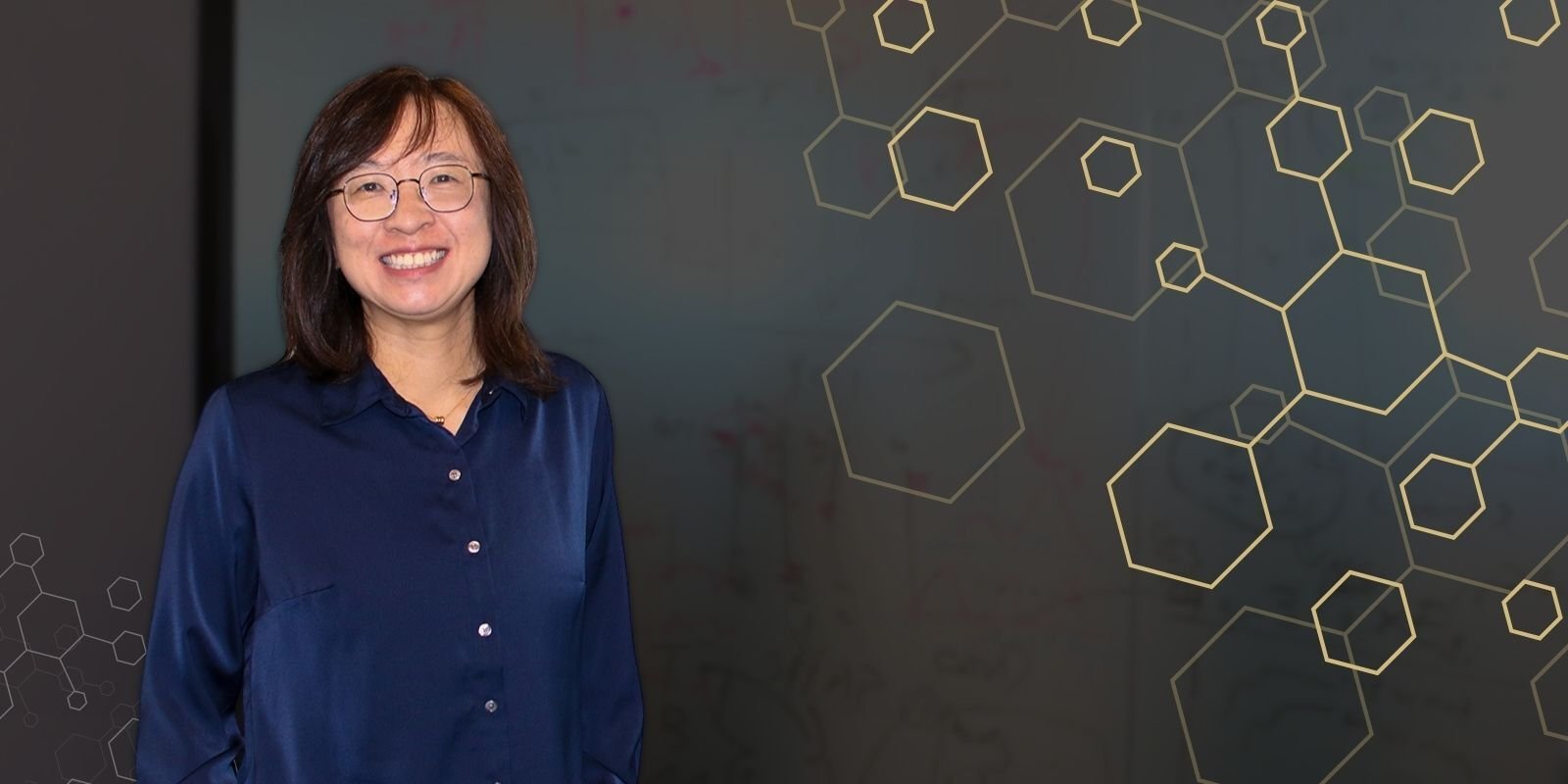
Using Novel AI and Single-Cell Techniques to Advance Autoimmune Therapies
In the Zhang Lab, researchers work to uncover pathways that could lead to targeted therapeutics for rheumatoid arthritis and other autoimmune conditions that affect millions of people.

The Importance of Studying Hospital Chatter
Hospital staff receive dozens – sometimes hundreds – of messages about the care they’re providing each day. Researchers are diving into those messages to increase safety, efficiency, and focus.