.png)
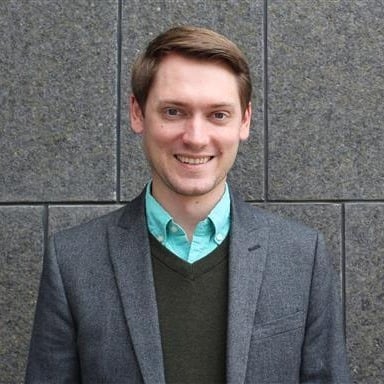
The University of Colorado Anschutz Department of Ophthalmology has selected Riaz Qureshi, PhD, MS, to receive the 2026 Philip and Elaine Ellis New Investigator in Ophthalmology Research Award.
The award grants $40,000 to an early-career researcher at the Sue Anschutz-Rodgers Eye Center who displays exceptional potential, aiming to bolster their work. The fund was created in 2020 by the late Philip Ellis, MD, who served as the department chair from 1960 to 1995, and his late wife, Elaine Ellis.
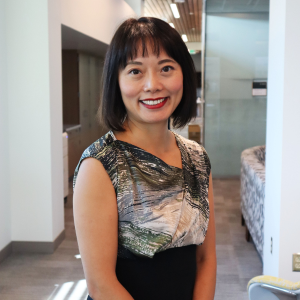
“Dr. Qureshi is very deserving of this award because he has grown into an independent investigator with a clear research vision while remaining an exceptionally collaborative and generous colleague,” says Tianjing Li, MD, PhD, a professor of ophthalmology with a secondary appointment in the Department of Epidemiology at the Colorado School of Public Health (ColoradoSPH) and a mentor to Qureshi.
Qureshi is an assistant professor of ophthalmology and director of ophthalmic medical student research at CU Anschutz and an assistant professor of epidemiology at ColoradoSPH. As an ophthalmic epidemiologist and methodologist, his research often explores how clinical evidence is collected and informs patient care, specifically looking for ways to improve research methods and evaluate the quality of other studies. Although his research is versatile in scope, his ultimate goal is to identify ways to improve health care efficiency and safety.
“Receiving an award that recognizes my contributions as a researcher and my future potential, that means a lot,” Qureshi says. “This award will help take my research to the next level, and there are many ways I hope it can benefit the ophthalmology department as well.”
Qureshi is already making meaningful impacts on a local, national, and international scale. Since joining the ophthalmology department in 2022, he has been a co-investigator on over 60 research publications, conducted more than 350 peer reviews (meaning evaluated a study prior to publication), been invited by over 30 organizations from around the world to present his expertise, and collaborated with organizations to help guide best research and clinical practices. He is on the editorial board of two journals, Translational Vision Science and Technology and Research Synthesis Methods. This year, he was also awarded a seed grant by the CU Anschutz Department of Ophthalmology’s Vision Science Research and Translation Accelerator (VISTA) Program.
Li says it has been rewarding to see his growth over the years, and she is excited to see where he will take his research next.
“Dr. Qureshi is thoughtful, curious, hardworking, and genuinely committed to doing research that matters,” Li says. “His research has already made important contributions to how we generate, evaluate, and synthesize evidence in ophthalmology, including work on the benefits and harms of interventions, research transparency, and the quality of evidence available to clinicians and patients. More recently, I’ve been especially excited to see him expand his work into areas such as health equity, access to eye care, and the responsible use of AI in research.”
International impacts
Li is director of the Cochrane Eyes and Vision U.S. Satellite Project, which is located at CU Anschutz and is part of the international organization Cochrane Eyes and Vision. The organization helps prepare systematic reviews (collections of all available evidence related to a specific research question) focused on interventions used to prevent or treat eye conditions and/or visual impairment, as well as methods used to help people adjust to visual impairment or blindness. These systematic reviews help researchers identify potential gaps in information and valuable research methods, and they guide clinicians toward best practices for patient care.
Qureshi, an investigator involved in the satellite project, assesses the research methods used in systematic reviews and primary studies, uncovering areas that can be improved. A key interest for him is analyzing how harms of interventions are reported in research. This includes how adverse events are reported in clinical trials as well as how systematic reviews will synthesize harms.
“A lot of research methods focus on reporting the efficacy and benefit outcomes of a study, which can result in the harms being relegated. I look at the quality of studies in systematic reviews by evaluating potential methodological limitations and providing recommendations of how they can be improved,” he says.
One of his studies, published in the Annals of Internal Medicine, identified several instances of “spin” — meaning inappropriate and misleading reporting, interpretation, or extrapolation of results — in systematic reviews. Qureshi collaborated with an international team of researchers to establish a framework to guide investigators on how to rectify spin of harms in systematic reviews.
He also regularly collaborates with the American Academy of Ophthalmology, providing the academy with high-quality systemic reviews related to eye health and vision to ensure the academy’s preferred clinical practice patterns are informed by the best evidence.
“I’m working to establish similar partnerships with the European Glaucoma Society and the Royal College of Ophthalmology in the United Kingdom,” he says.
He is also connecting with other international organizations to provide insights on artificial intelligence and evidence synthesis. He recently participated in a task force with The Professional Society for Health Economics and Outcomes Research, an international society, to develop guidelines around this issue.
“My overarching objective is to make health care decisions easier and better for people,” he says. “I can do this by helping inform people of how well things work, what does not work, what research gaps there are, and what the risks are of different methods and interventions.”
Vision care in the long term
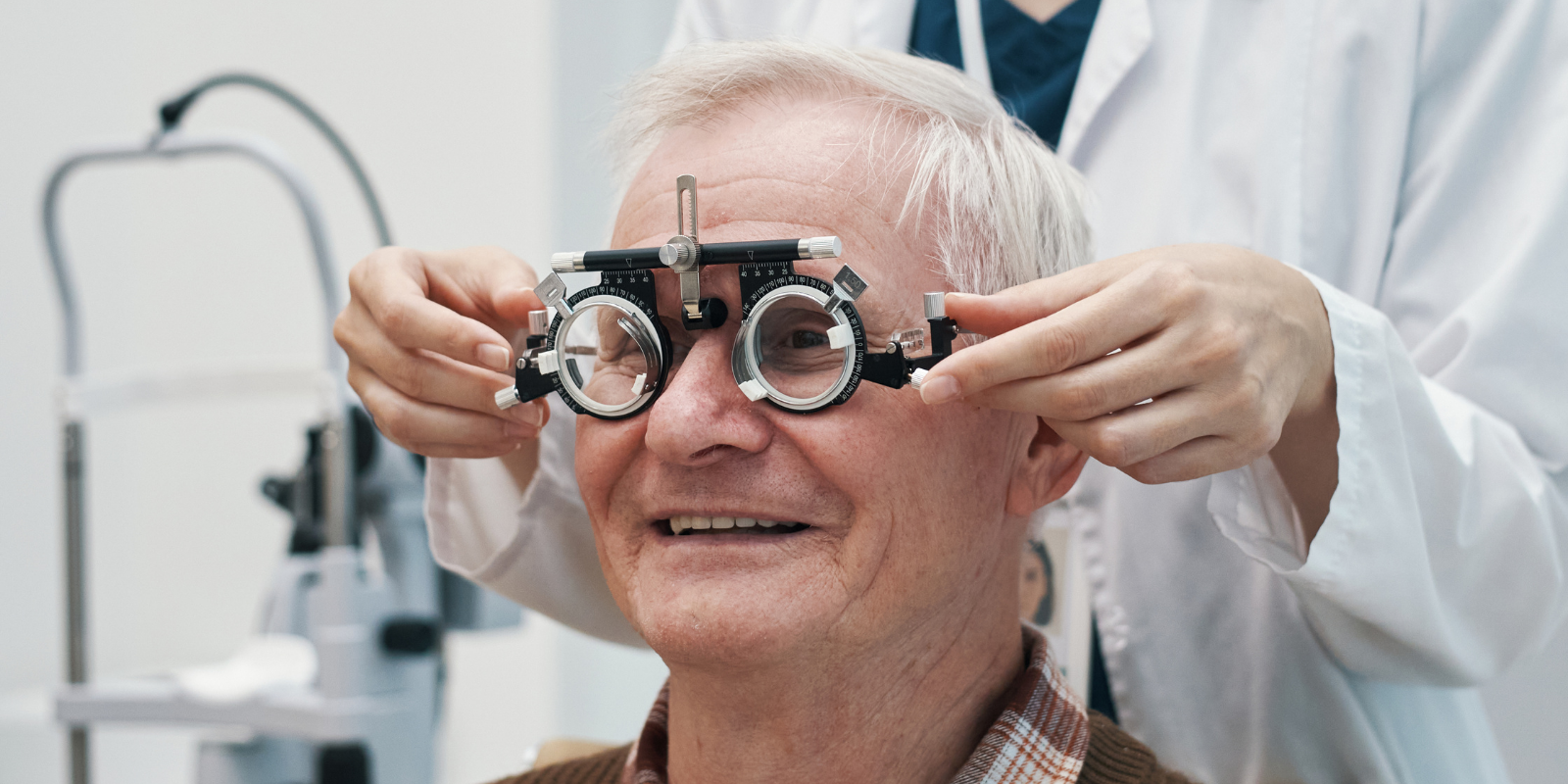
A newer area of research for Qureshi focuses on examining the eye health care of older, aging adults. It was an area of need he identified years ago in his research.
“As I explored this topic, I realized that there was substantial evidence that older adults face a high burden of vision impairments. My focus then shifted to: What can we do about it?” Qureshi says.
With support from the ophthalmology department’s VISTA award, Qureshi is collecting data about the barriers and facilitators to vision care in long-term care facilities.
“I’m pulling together stakeholders, including residents of these facilities, the staff and management teams, and the optometrists who treat residents. I want to find out what works well, what limits access to care, and so on,” he says.
Qureshi and his co-investigators are currently nearing the end of hosting focus groups to collect this information from stakeholders. Then, they will perform qualitative analyses to identify patterns and themes. Qureshi hopes that the preliminary data collected during this study can be used to apply for larger grants so he can expand the scope and potential impact of the research.
“From our data, we hope to ultimately develop a better model for vision care in long-term care communities,” he says.
The information will also be useful in his role on the Denver Commission on Aging, a position he was appointed to this year by Denver Mayor Mike Johnston. Through June 2029, Qureshi will provide his insights on issues affecting older adults, potentially helping influence future policies.
“One of the themes that has come up during the VISTA focus groups is that residents and staff in long-term care communities have a hunger for information. They want to know more about what to look out for regarding eye health and what resources are available,” he says. “That’s something I want to explore, is how we can improve vision access in the community and also engage in more educational opportunities.”
As he looks ahead, Qureshi aims to continue empowering community members, clinicians, researchers, and trainees with information, as well as further his work to improve the whole research ecosystem.
“The Ellis award was completely unexpected. It is a nice surprise and recognition of my work over the past four years at the department,” he says. “I’m proud of publishing numerous publications, reviewing a lot of studies, being there for the community, and helping train others how to do better research.”