CAR T-cell therapy – a personalized treatment where a patient’s own immune cells are reprogrammed to attack cancer – has revolutionized treatment of certain stubborn cancers that resist other forms of treatment, particularly blood cancers. Some cancer patients have achieved long remissions and even cures with this form of custom-made therapy.
But what hasn’t been well studied is how CAR T-cell therapy makes patients feel over the long haul.
Now, in a groundbreaking new study, researchers have tracked a group of blood cancer patients using multiple surveys over the course of two years to see how CAR T-cell therapy impacts their health-related quality of life.
The study results also provide signs that how a patient feels following CAR T-cell therapy might also help indicate how well the treatment is working.
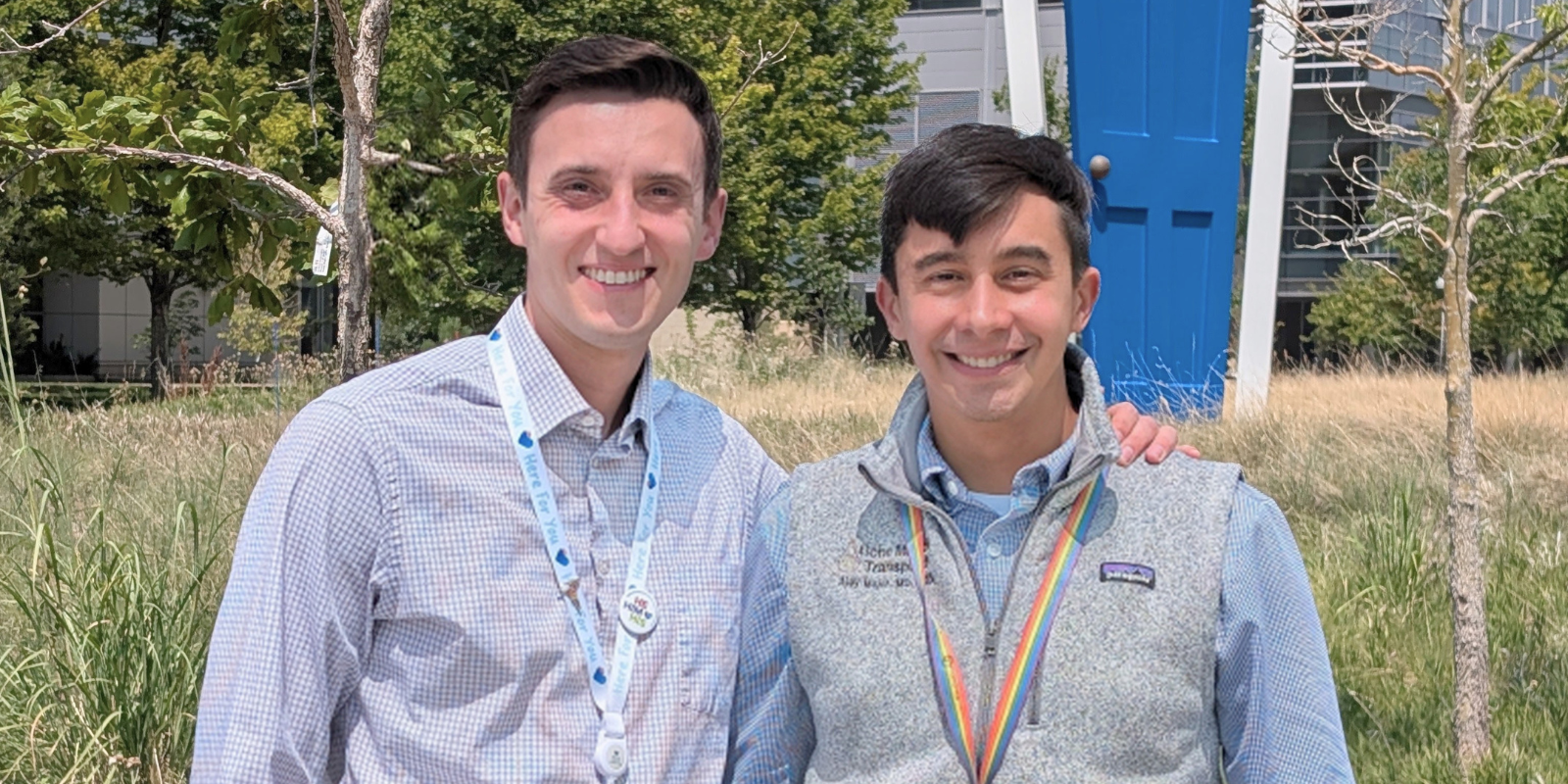
University of Colorado Anschutz Cancer Center member Ajay Major, MD, MBA, and Vincenzo Pizzuti, MD, MS, collaborated on the study, which was published recently by the journal Blood Neoplasia. Pizzuti, a chief resident in the CU Anschutz Department of Medicine’s Internal Medicine Residency Training Program, is first author of the study. Major, an assistant professor of medicine in the CU Anschutz Division of Hematology, is senior author.
Major is also co-lead of the imPROve Patient-Reported Outcomes Working Group, a multi-disciplinary cohort of researchers focused on integrating patient-reported outcomes (PRO) into research and clinical settings at the CU Anschutz Adult & Child Center for Outcomes Research & Delivery Science (ACCORDS).
Major says the study – an example of PRO research – was intended to help address “a huge unanswered gap” in how CAR T-cell therapy impacts patients over a two-year span.
“There have not been many studies asking patients what their quality of life is like only two weeks after their CAR T-cell therapy,” Major says. “We wanted to capture those early time points to look at dynamic early changes in quality of life. We also wanted to look at long-term changes. Having quality-of-life surveys one year, 18 months, or even 24 months after CAR T-cell therapy is not well described in the literature, either.”
Pizzuti says there have been “cross-sectional” studies where patients have been interviewed about quality of life at a single point in time, “but no one has ever followed them all the way through that journey. When you can accurately predict what quality of life looks like over time, that’s super important for a patient, especially now that people are surviving longer after their CAR-T therapies.”
→ Time Toxicity: Weighing the Benefits of Cancer Therapies Against Time Demands on Patients
13 timepoints
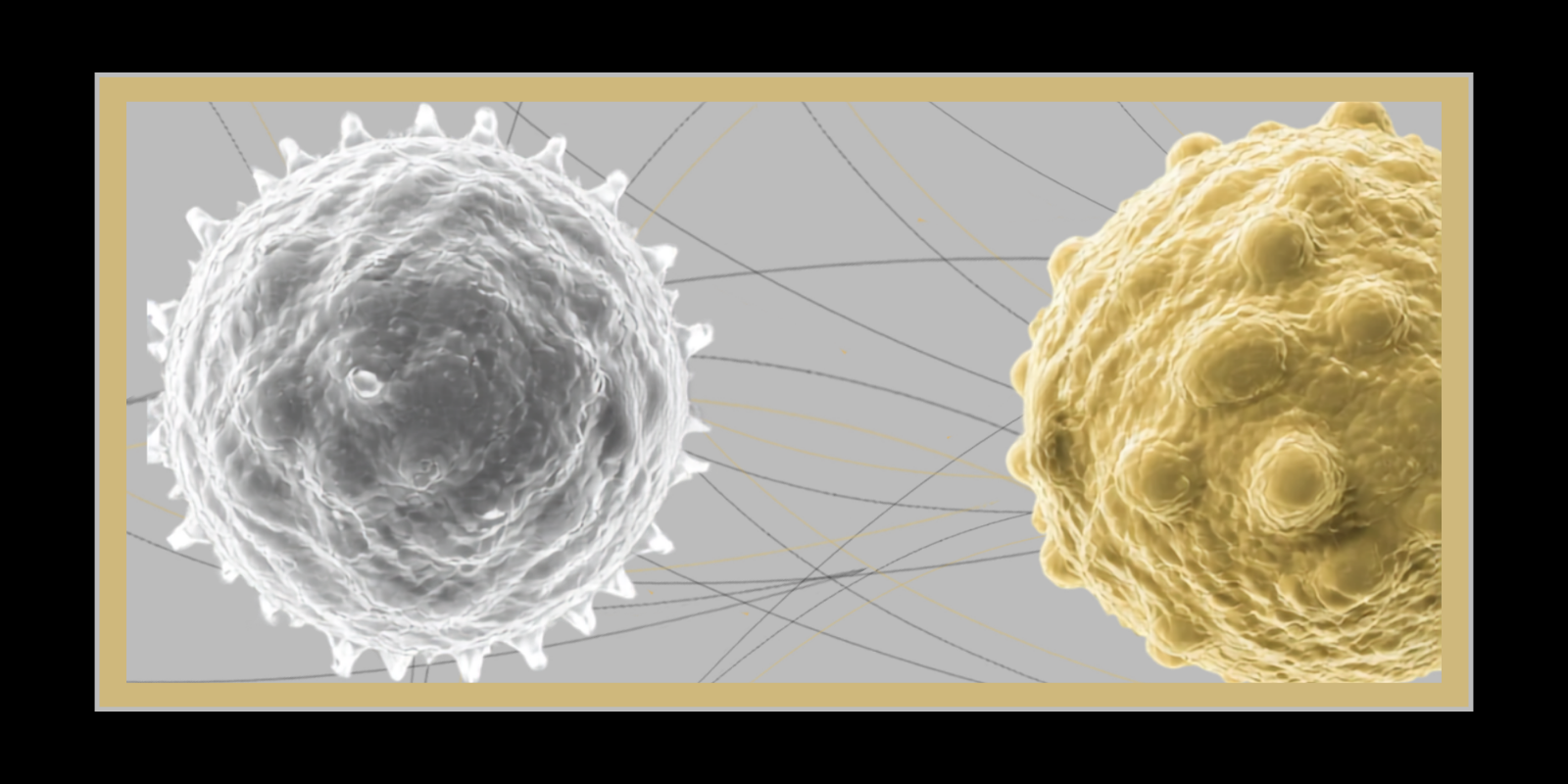
T cells are a weapon of the body’s immune system, its defense against infection and disease. In CAR T-cell therapy, a patient’s T cells are extracted, then given a synthetic receptor designed to attach to proteins on the surface of that patient’s cancer cells. The resulting cells are called chimeric antigen receptor T cells (or CAR T cells). They are infused back into the patient so they can seek out and attack cancer cells.
CAR T-cell therapy involves just one infusion, not multiple treatments like chemotherapy. Nevertheless, the treatment can be rough, particularly in the short term after infusion. Sometimes, patients may need hospitalization and monitoring for serious side effects from CAR-T.
The new study focused on 83 adult patients treated with CAR T cells between 2021 and 2025 at the University of Chicago, where Major was a fellow in the hematology/oncology program. Most had aggressive lymphoma (49%) or multiple myeloma (43%), both blood cancers.
Patients were surveyed at 13 scheduled timepoints, spanning right before CAR T-cell infusion through two years after treatment. They filled out standardized quality-of-life questionnaires.
Patients were asked to report how the treatment was affecting them in terms of fatigue, physical function, sleep problems, anxiety and depression, pain, and ability to pursue work and social goals. Their overall physical and mental health was also assessed, and the results were compared to how well the therapy was working.
→ How Researching Patient Experiences Leads to Better Cancer Treatments
Among the key findings:
- Patients in the study reported overall improvements in physical and social role functioning as well as sleep by the two-year mark after CAR T-cell therapy from what they experienced at first, regardless of whether they were older or younger.
- Study participants over the age of 65 reported significantly worse physical function at 30 days after CAR T-cell treatment compared to younger patients. But by two years, this age gap generally disappeared.
- Women generally reported more fatigue and worse physical health than men at first. But by two years, women showed significant improvement in fatigue and overall physical health, essentially closing that initial gap.
- Patients with aggressive lymphoma usually saw more improvement in fatigue over time than those with myeloma, where fatigue levels stayed fairly flat.
→ A New Arrival at CU Cancer Center Tests a Homegrown CAR T-Cell Treatment for Aggressive Leukemia
‘It could give you a tool’
What particularly intrigued the researchers were signs of a correlation between more intense early side effects from CAR T-cell therapy and the treatment having a greater impact on their cancer.
The study found that patients whose cancer responded by 90 days after CAR-T therapy generally reported worse fatigue at day 15 than patients who didn't respond well to treatment. This difference in fatigue level largely disappeared by day 30.
“These findings very much match what we see in actual clinical practice,” Major says. “When we see worsening fatigue in the two weeks after CAR T, as we demonstrated in the study, what that probably reflects is that the inflammatory proteins – cytokines – that are being produced by the CAR T cells to help them kill cancer cells cause fatigue. And so it makes sense that if the CAR T is really working, generating a ton of inflammation and killing the cancer cells, patients are going to feel worse. And conversely, for patients who don't have as much fatigue, maybe the CAR T-cell therapy isn't doing as much as we would want it to, although this needs further investigation.”
Pizzuti says that if this correlation is borne out by further study, “it could give you a tool to better understand which patients have the greatest need for an early disease response assessment” in the form of closer monitoring and earlier scans, “versus a more standard timeline for assessment.”
Major and Pizzuti say the study results offer reassurance that, although CAR T-cell treatment can be rough in the first few weeks, many patients see meaningful improvements in how they feel by two years out.
The findings, Major says, also inform how he talks to patients about CAR T-cell therapy. “When I see patients and I’m talking about CAR T-cell therapy, this data allows me to tell them more about their expected quality-of-life trajectory in the short term and in the long term,” he says.
The study cites certain limitations, including a small sample size drawn from a single treatment center, and limited data on how side effects might differ among various cancer subtypes and CAR T-cell products.
CU Anschutz Cancer Center members Jamie Studts, PhD, and Ben Brewer, PsyD, also collaborated on the study.
Photo at top: Vincenzo Pizzuti, MD, MS (left), and Ajay Major, MD, MBA, in the Research Quad at CU Anschutz. Photo by Natalie Hoffberger, RN.